Where Is FIFA World Cup 2026? Travel Guide for International Fans
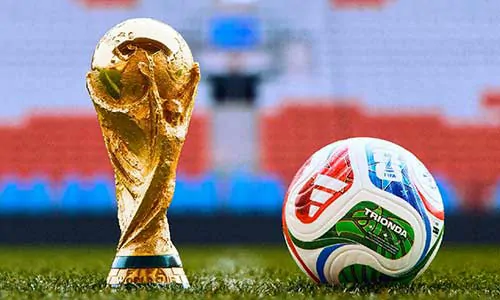
The global football community is on the verge of making history. As sports enthusiasts prepare for the spectacular kickoff of the FIFA World Cup 2026, thousands of international fans are gearing up to travel. For the first time in the tournament’s history, three nations—the United States, Canada, and Mexico—will co-host this legendary sporting event. Bringing together 48 national teams across 16 iconic host cities, this tournament promises to be a massive celebration of the beautiful game.
Whether you are a seasoned globetrotter or planning your very first international sports trip, navigating three massive North American countries requires meticulous preparation. Consequently, this comprehensive travel guide is designed to assist you with everything you need to know. From stadiums and host cities to cross-border transit, visa regulations, and local matchday tips, we have compiled the ultimate playbook to ensure your journey goes as smoothly as possible.
Table of Contents
- Host Countries and Cities of the FIFA World Cup 2026
- Stadium Guide and Seating Capacities
- Tournament Format & Key Dates for the FIFA World Cup 2026
- Essential Visas and Border Crossings
- Transportation: Moving Between Countries and Cities
- Where to Stay: Accommodation Strategies
- Travel Tips for International Fans Attending the FIFA World Cup 2026
- Conclusion
- Frequently Asked Questions (FAQ)
Host Countries and Cities of the FIFA World Cup 2026
To fully comprehend the sheer scale of the FIFA World Cup 2026, one must understand how the matches are distributed geographically. The 16 host cities are spread across North America and strategically divided into three major regions: Western, Central, and Eastern. This regional division aims to minimize travel times and timezone fatigue for players and supporters during the initial group stages.
Let’s explore the distribution of host cities across the three co-hosting nations. The United States leads with 11 host cities, showcasing massive NFL-grade stadiums. Mexico brings its unparalleled football heritage with 3 historic cities. Canada contributes 2 vibrant, multicultural metropolitan hubs.
The Western Region Host Cities
The Western division boasts breathtaking Pacific coastal landscapes, modern transit systems, and incredibly passionate fanbases. These cities will feature high-stakes matches and offer beautiful backdrops for traveling supporters:
- Vancouver, Canada (BC Place): Nestled between the Pacific Ocean and mountains, Vancouver is a diverse hub perfect for international visitors.
- Seattle, USA (Lumen Field): Famous for its dedicated soccer culture and immense stadium acoustics, Seattle is ready to welcome global fans.
- San Francisco Bay Area, USA (Levi’s Stadium): Located in Santa Clara, this technology-driven region is prepared to showcase high-end facilities and local hospitality.
- Los Angeles, USA (SoFi Stadium): An architectural marvel, SoFi Stadium in Inglewood will host several highly anticipated matchups.
- Guadalajara, Mexico (Estadio Akron): Renowned as the birthplace of mariachi, Guadalajara offers a deep immersion into traditional Mexican soccer passion.
The Central Region Host Cities
The heartland of North America features massive stadiums, legendary sports culture, and immense geographic diversity. Fans traveling to these hubs can expect energetic downtown areas:
- Kansas City, USA (Arrowhead Stadium): Known for its world-famous barbecue and loud stadium environment, KC is a passionate soccer city.
- Dallas, USA (AT&T Stadium): Located in Arlington, this monumental indoor venue will host several critical matches, including high-stakes knockout rounds.
- Houston, USA (NRG Stadium): A sprawling metropolis offering a rich variety of global cuisines and highly climate-controlled sporting experiences.
- Atlanta, USA (Mercedes-Benz Stadium): Featuring a futuristic retractable roof and a massive MLS fanbase, Atlanta is a key highlight of the tour.
- Monterrey, Mexico (Estadio BBVA): Surrounded by stunning mountain peaks, this venue is considered one of the most visually spectacular stadiums in the world.
- Mexico City, Mexico (Estadio Azteca): A true temple of global football, Azteca is historic, having hosted the iconic World Cup finals of 1970 and 1986.
The Eastern Region Host Cities
The Eastern seaboard is packed with rich history, accessible public transit options, and relatively close proximity between major destinations. This makes it an ideal route for fans wishing to catch multiple games:
- Toronto, Canada (BMO Field): A highly diverse city with a booming soccer culture, Toronto will host Canada’s premier group matches.
- Boston, USA (Gillette Stadium): Situated in Foxborough, this historic region is renowned for its championship-winning sports pedigree.
- Philadelphia, USA (Lincoln Financial Field): Rich in history and loaded with passionate fans, Philly is a central, easy-to-reach hub for travelers.
- Miami, USA (Hard Rock Stadium): With its warm tropical climate and massive Latin American cultural influence, Miami will be a major fan favorite.
- New York/New Jersey, USA (MetLife Stadium): Located in East Rutherford, NJ, this massive arena will proudly host the highly coveted final match.
Stadium Guide and Seating Capacities
To help you visual your matchday experience, the table below provides an overview of the host countries, cities, stadiums, and their estimated seating capacities during the tournament:
| Country | Host City | Stadium Name | Estimated Capacity |
|---|---|---|---|
| Canada | Vancouver | BC Place | 54,000 |
| Canada | Toronto | BMO Field | 45,000 (Expanded) |
| Mexico | Mexico City | Estadio Azteca | 83,000 |
| Mexico | Guadalajara | Estadio Akron | 48,000 |
| Mexico | Monterrey | Estadio BBVA | 53,500 |
| United States | New York / New Jersey | MetLife Stadium | 82,500 |
| United States | Los Angeles | SoFi Stadium | 70,000 |
| United States | Dallas | AT&T Stadium | 92,900 |
| United States | Kansas City | Arrowhead Stadium | 76,400 |
| United States | Houston | NRG Stadium | 72,200 |
| United States | Atlanta | Mercedes-Benz Stadium | 71,000 |
| United States | Philadelphia | Lincoln Financial Field | 69,700 |
| United States | Seattle | Lumen Field | 69,000 |
| United States | San Francisco Bay Area | Levi’s Stadium | 68,500 |
| United States | Boston | Gillette Stadium | 65,800 |
| United States | Miami | Hard Rock Stadium | 64,700 |
Tournament Format & Key Dates for the FIFA World Cup 2026
This edition of the tournament introduces an exciting format change. Instead of the traditional 32-team setup, the FIFA World Cup 2026 expands to 48 competing nations. As a direct result, the total number of matches increases from 64 to 104, guaranteeing 39 days of action.
For the group stages, teams are divided into 12 groups of four. The top two teams from each group, alongside the eight best third-placed finishers, will advance to a newly introduced Round of 32. From this point onward, matches follow a single-elimination knockout format.
Let’s map out the critical calendar milestones of the tournament:
- June 11, 2026: The grand opening match kicks off at the historic Estadio Azteca in Mexico City.
- June 11 – June 27, 2026: Group stage matches take place simultaneously across all three host nations.
- June 28 – July 3, 2026: The highly anticipated Round of 32 knockout matches occur.
- July 4 – July 7, 2026: Round of 16 encounters.
- July 9 – July 11, 2026: Quarter-final matches showcase elite competition.
- July 14 – July 15, 2026: Semi-final matchups take place to decide the finalists.
- July 18, 2026: The third-place play-off match.
- July 19, 2026: The grand Final takes place at MetLife Stadium in New Jersey, crowning the new world champion.
Essential Visas and Border Crossings
Because the FIFA World Cup 2026 is spread across three sovereign states, fans crossing borders will need distinct documentation for each. There is no single, unified tournament visa. Therefore, you must check and satisfy the specific entry rules for each nation you intend to visit.
Entering the United States
International travelers entering the USA must possess either a valid visa or an approved Electronic System for Travel Authorization (ESTA). If your passport is from a country participating in the Visa Waiver Program (VWP), you must apply for an ESTA online at least 72 hours before departure.
On the other hand, if you are not eligible for the VWP, you will need to apply for a standard B1/B2 visitor visa at your nearest US Embassy or Consulate. Because visa interview wait times can face massive backlogs, applying well in advance is highly recommended.
Entering Canada
Canada operates a highly similar dual-system for international arrivals. Visa-exempt foreign nationals traveling to Canada by air must apply for an Electronic Travel Authorization (eTA) online. This is usually processed quickly and is valid for up to five years.
Conversely, if you belong to a country that does not have a visa-waiver agreement with Canada, you will need to apply for a Temporary Resident Visa (TRV) online. Make sure to double-check passport validity and processing times before booking flights.
Entering Mexico
Mexico is highly accessible for global sports fans, but requirements vary by nationality. All travelers must complete a Forma Migratoria Múltiple (FMM) upon entry. Furthermore, travelers holding valid, multiple-entry visas to the United States, Canada, Japan, the United Kingdom, or Schengen Area countries generally do not need a separate Mexican visa for short stays.
Transportation: Moving Between Countries and Cities
Navigating three massive nations is one of the most significant challenges of the FIFA World Cup 2026. Formulating a logical transit strategy is essential to avoid excessive costs and fatigue.
Air Travel
For long-distance hops—such as traveling from Mexico City to Vancouver or New York to Los Angeles—flying is the only practical option. North America is served by a robust network of major carriers and budget airlines. However, booking flights early is essential, as prices rise around key matchdays.
Trains and Buses
For shorter distances, especially in the densely populated Eastern region (Boston, New York, Philadelphia), ground transit is highly efficient. Amtrak (USA) provides direct rail links between downtown cores, allowing you to bypass airport security. In Canada, VIA Rail conveniently connects Toronto with neighboring regional hubs.
Public Transit and Ridesharing
Once inside host cities, relying on public transportation is usually the smartest move. Most stadiums feature dedicated shuttle buses, subway lines, or light-rail connections on matchdays. Alternatively, ridesharing services like Uber and Lyft are widely available, although surge pricing will be in effect immediately after games.
Where to Stay: Accommodation Strategies
Finding reliable accommodation during a major tournament requires a tactical approach. Because millions of fans will descend on these 16 cities, lodging prices are expected to rise.
Consider these useful booking strategies:
- Stay Near Transit Lines: Rather than booking expensive hotels directly next to stadiums, look for accommodations near major subway stations or commuter train lines. This can save you money while keeping transit times reasonable.
- Explore Alternative Neighborhoods: Sprawling metropolitan areas like Los Angeles, Dallas, and Toronto feature numerous surrounding suburbs that offer safe, affordable, and well-connected housing options.
- Book Refundable Rates: When securing hotels early, always opt for flexible, refundable rates. If your favorite team gets eliminated early, or if match venues change, you can easily modify your travel plans without heavy financial penalties.
Travel Tips for International Fans Attending the FIFA World Cup 2026
To maximize your enjoyment and ensure safety, here is a breakdown of crucial tips to help you blend in like a local and avoid common travel pitfalls during the FIFA World Cup 2026.
Currency and Cashless Payments
North America is rapidly moving toward a completely cashless economy, especially inside major sports arenas. Almost all stadiums in the United States and Canada are entirely cashless. You will require a major credit card, debit card, or mobile payment method (such as Apple Pay or Google Pay) to purchase food, drinks, and merchandise.
In contrast, while major establishments in Mexico accept cards, keeping some Mexican Pesos (MXN) on hand is highly recommended for street food, local transit, and artisan markets.
Mobile Connectivity and SIM Cards
Staying connected is vital for accessing digital match tickets, using ridesharing apps, and navigating new cities. If your smartphone supports it, purchasing a prepaid North American eSIM (covering USA, Canada, and Mexico) online before departure is highly convenient. Alternatively, physical SIM cards can be purchased at major airports upon arrival from local carriers like T-Mobile, AT&T, Rogers, or Telcel.
Stadium Security Policies
Stadium security across North America for the FIFA World Cup 2026 is incredibly strict. Most venues enforce a strict clear-bag policy. Only small, fully transparent bags are permitted inside the stadium gate. Large backpacks, camera bags, and opaque purses will be turned away. Additionally, items like professional cameras, large banners, and outside food are generally prohibited.
Conclusion
The FIFA World Cup 2026 is more than just a sports tournament; it is a global celebration of unity, athletic excellence, and cultural exchange across North America. By organizing your travel itinerary, securing visas early, and understanding the logistics of navigating three beautiful countries, you will set yourself up for an unforgettable journey.
Ready to secure your spot in sports history? Be sure to monitor the official FIFA website for ticketing updates and detailed travel advisories. Start planning your route, book your accommodation today, and get ready to experience the biggest tournament the world has ever seen!
Frequently Asked Questions (FAQ)
1. Where is the FIFA World Cup 2026 being hosted?
The tournament is jointly hosted by three North American countries: the United States, Canada, and Mexico. Matches will take place across 16 designated host cities.
2. When does the FIFA World Cup 2026 start and end?
The tournament starts on June 11, 2026, with the opening match at the Mexico City Stadium (Estadio Azteca). It concludes with the final match on July 19, 2026, at MetLife Stadium in East Rutherford, New Jersey.
3. Do I need a single visa for all three host countries?
No. There is no unified “World Cup Visa” for North America. You must satisfy the entry requirements for the USA (ESTA or B1/B2 visa), Canada (eTA or TRV visa), and Mexico (FMM or applicable visa) individually if you plan on crossing borders.
4. How many teams are playing in the FIFA World Cup 2026?
The tournament features an expanded roster of 48 national teams, up from the traditional 32-team format. This expansion results in a total of 104 matches played over 39 days.
5. Where will the FIFA World Cup 2026 Final be played?
The historic Final match will be played on Sunday, July 19, 2026, at MetLife Stadium (referred to as New York New Jersey Stadium for the event) in East Rutherford, New Jersey.
6. Are stadiums cashless for the FIFA World Cup 2026?
Yes, the vast majority of stadiums in the USA and Canada are entirely cashless. You will need a credit/debit card or mobile payment option. Cash remains useful for smaller vendors and local transport in Mexico.