World Cup 2026 Group Stage Ticket Prices: Expected Costs and Categories
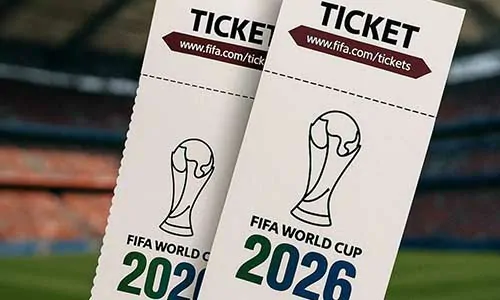
The global countdown is officially over, and the anticipation for the FIFA World Cup 2026 has reached an all-time high as soccer fans prepare for the most massive sporting spectacle in history. With 48 nations competing across 16 magnificent host cities in Canada, Mexico, and the United States, this tournament promises unprecedented scale and excitement. Naturally, for millions of fans worldwide, the primary challenge is securing a seat inside the stadium.
As the first tournament to feature 48 teams across three host nations, the FIFA World Cup 2026 represents a historic shift in soccer organization, demand, and ticketing dynamics. To navigate this highly competitive market successfully, fans must understand the pricing structures, seating classifications, and official purchasing channels. This comprehensive guide breaks down everything you need to know about expected group stage ticket costs, venue categories, and budget planning.
Table of Contents
- Understanding the FIFA World Cup 2026 Ticket Structure
- Official Seating Categories for the FIFA World Cup 2026
- Expected Ticket Prices for FIFA World Cup 2026 Group Stage Matches
- How Dynamic Pricing Impacts FIFA World Cup 2026 Tickets
- Step-by-Step Guide on How to Buy FIFA World Cup 2026 Tickets Safely
- Host Cities and Venue Capacities
- Tips for Planning Your Budget Beyond Tickets
- Key Takeaways for FIFA World Cup 2026 Ticket Buyers
- Conclusion
- Frequently Asked Questions (FAQs)
Understanding the FIFA World Cup 2026 Ticket Structure
When preparing to attend the world’s most popular tournament, understanding the foundational framework of ticket sales is essential. For this edition, organizers have redesigned the ticketing model to account for vast geographic distances and massive stadium capacities across North America. With matches played across Canada, Mexico, and the United States, securing tickets for the FIFA World Cup 2026 is highly competitive, requiring strategic planning.
Unlike standard domestic league games where fans choose an exact seat number on an interactive map from day one, major international tournaments rely on category-based allocations. In addition, the sheer size of the tournament has led to regional groupings to minimize travel times for teams and fans alike. Consequently, this regional division directly influences how tickets are packaged, sold, and priced across the different venues.
Furthermore, tickets are distributed across multiple distinct sales phases. These phases include exclusive pre-sales, random selection draws (lotteries), and first-come, first-served sales. Understanding these phases allows fans to target the right matches at the right times without falling victim to overpriced secondary markets.
Official Seating Categories for the FIFA World Cup 2026
To accommodate different budgets and viewing preferences, organizers have established distinct price tiers. When purchasing tickets, it is important to know that the FIFA World Cup 2026 uses category-based pricing, which divides stadiums into zones. Each category corresponds to a specific area of the venue, with higher prices reflecting prime viewing angles.
Category 1: Premium Viewing
Category 1 represents the most premium seating available to the general public. These seats are located primarily in the lower bowls and mid-tier decks along the sidelines of the pitch. Consequently, they offer an unobstructed, close-up view of the action, making them the most sought-after and expensive options.
Category 2: Mid-Tier Seating
Category 2 seats are positioned just outside the primary Category 1 areas. These seats are typically located in the corners of the lower bowl or along the sidelines in the upper tiers. They provide an excellent balance between cost and viewing quality, offering a solid vantage point of the entire pitch without the premium price tag.
Category 3: Budget-Friendly Views
Category 3 tickets are designed for fans looking for a more affordable way to experience the stadium atmosphere. These seats are usually situated in the upper decks behind the goals or in the higher corners of the stadium. While the distance from the pitch is greater, the panoramic views of the crowd and stadium are spectacular.
Category 4 and Supporters Entry Tier: Maximum Accessibility
Category 4 and the Supporters Entry Tier are the most affordable tickets available. While Category 4 is generally reserved for residents of the host nations, the Supporters Entry Tier is a new introduction. For loyal supporters with a registered history with national federations, the FIFA World Cup 2026 offers these specialized entry-level seats to ensure that passionate fanbases are well-represented in the stands.
Expected Ticket Prices for FIFA World Cup 2026 Group Stage Matches
Ticket prices vary significantly depending on the match’s significance, location, and whether a host nation is playing. Analyzing expected prices reveals a distinct pricing tier structure for the FIFA World Cup 2026 depending on the specific group stage fixture. While standard group games are relatively accessible, matches involving host nations command a massive premium.
To give you a realistic idea of the financial investment required, we have compiled the expected face-value price ranges for standard group stage matches (neutral fixtures) compared to high-demand host nation matches. These rates reflect official ticketing data and initial draw pricing structures.
| Seating Category | Standard Group Match (USD) | Host Nation Match (USD) |
|---|---|---|
| Category 1 | $410 – $650 | $1,500 – $2,735 |
| Category 2 | $310 – $465 | $1,100 – $1,800 |
| Category 3 | $140 – $215 | $400 – $700 |
| Category 4 / Supporters Tier | $60 – $105 | $60 – $150 |
On the other hand, opening matches for the host nations during the FIFA World Cup 2026 command much higher premium rates. For instance, the highly anticipated opening match at the legendary Estadio Azteca in Mexico City features Category 1 tickets priced at approximately $1,825. Therefore, fans planning to see the USMNT, Canada, or Mexico in their home openers must prepare for a significantly higher financial outlay.
How Dynamic Pricing Impacts FIFA World Cup 2026 Tickets
One of the most significant changes introduced for this tournament is the pricing algorithm. For the first time in history, FIFA is utilizing dynamic pricing, meaning that FIFA World Cup 2026 ticket costs can shift in real-time based on live demand, team matchups, and ticket availability.
This system functions similarly to airline and hotel booking platforms. Therefore, if a particular group stage match features highly popular teams—such as England, Argentina, or Portugal—the ticket prices on primary and secondary markets are likely to increase. Consequently, the cost of high-demand fixtures in the FIFA World Cup 2026 can escalate quickly, while less popular matches might experience more stable or even slightly discounted rates.
While dynamic pricing aims to optimize market value and reduce immediate scalping, it can make budgeting difficult for average fans. To counter this, soccer enthusiasts are encouraged to apply during the initial random selection draws where prices are strictly set at face value before dynamic adjustments take effect.
Step-by-Step Guide on How to Buy FIFA World Cup 2026 Tickets Safely
Securing tickets requires navigating the official phases set by the governing body. To ensure you do not fall victim to scams, only purchase through the official FIFA World Cup 2026 ticketing portal. This is the only guaranteed way to acquire valid passes to the matches.
- Step 1: Register Your Interest: Create a free FIFA ID account on the official portal and sign up for ticketing updates.
- Step 2: Enter the Ticket Lotteries: Participate in the early random selection draws to secure tickets at original, non-dynamic face-value rates.
- Step 3: Monitor First-Come, First-Served Phases: If you miss the lottery, prepare to purchase immediately when the general sale window opens.
- Step 4: Use the Official Resale Platform: If matches are sold out, look for tickets on the official Official FIFA Tickets Portal, where fans safely exchange tickets at face value.
If you are looking for premium experiences, you can also explore luxury hospitality packages. These are officially managed through partners such as On Location and offer food, beverages, and premium seating. You can browse these premium offerings via the Official FIFA Hospitality Packages website.
Host Cities and Venue Capacities
The pricing and availability of tickets are heavily influenced by the specific venues. The 16 host cities feature some of the largest and most advanced stadiums in the world, each with varying capacities and layouts. This variation plays a significant role in determining how many tickets are available to the general public.
For example, massive venues like MetLife Stadium in New York/New Jersey (capacity 82,500) and Estadio Azteca in Mexico City (capacity 87,523) offer a larger volume of seats. However, because these cities are major metropolitan hubs, the local demand often matches or exceeds this high capacity. As a result, stadium selection plays a huge role in the final cost of a FIFA World Cup 2026 group stage match, with major metropolitan hubs generally commanding higher prices than smaller host cities.
Conversely, smaller venues like BMO Field in Toronto (capacity 45,000) offer fewer tickets, making them highly exclusive and potentially driving up secondary market resale prices due to scarcity. Therefore, choosing your venue wisely can be just as important as choosing which teams you want to watch.
Tips for Planning Your Budget Beyond Tickets
Attending the world’s premier football event requires budgeting for more than just the match entry. Traveling across North America during the FIFA World Cup 2026 requires a comprehensive financial plan that accounts for several external factors. By planning ahead, you can avoid unexpected expenses and make the most of your trip.
- Book Accommodation Early: Hotel and vacation rental prices are expected to skyrocket. Look for options in surrounding suburbs or consider budget-friendly university dorms.
- Account for Domestic Travel: Flights between host cities in the US, Canada, and Mexico can be costly. Plan regional itineraries to minimize flying times and utilize trains or buses where possible.
- Factor in Matchday Expenses: Remember to budget for stadium concessions, official merchandise, transit to the venue, and parking, which can easily add $100 per match day.
- Acquire Travel Insurance: With a multi-city journey, travel insurance is highly recommended to protect your investments against flight cancellations or delays.
Key Takeaways for FIFA World Cup 2026 Ticket Buyers
Before you jump into the purchasing process, keep these crucial tips in mind to maximize your chances of success and save money:
- Prioritize Neutral Matches: If you simply want to experience the World Cup atmosphere, target matches between smaller qualifying nations. These typically have lower demand and highly stable pricing.
- Avoid Unofficial Resale Platforms: Buying from unauthorized third-party sites carries a high risk of fraud, and FIFA reserves the right to cancel tickets transferred outside their official network.
- Be Patient but Decisive: Tickets often become available closer to matchday as sponsors, federations, and fans return unused allocations. Keep checking the official resale portal regularly.
Conclusion
The group stage offers an unparalleled celebration of global unity, football passion, and athletic excellence. Witnessing the FIFA World Cup 2026 live is a dream for millions, and with proper planning, you can make this dream a reality. By understanding the ticket categories, budgeting for dynamic pricing, and utilizing official sales channels, you can secure your spot in history.
Start planning your itinerary today, register on the official portal, and prepare for a journey of a lifetime!
Frequently Asked Questions (FAQs)
Q1: What is the cheapest ticket price for a FIFA World Cup 2026 group stage match?
The cheapest face-value ticket is the Supporters Entry Tier, which starts at $60. General public tickets in Category 4 typically start around $105 to $120 depending on the match and venue.
Q2: How does dynamic pricing affect FIFA World Cup 2026 ticket prices?
Dynamic pricing allows FIFA to adjust ticket prices in real-time based on supply and demand. Consequently, highly popular matches will cost significantly more, while lower-demand fixtures remain closer to baseline prices.
Q3: When will the official resale platform for the FIFA World Cup 2026 open?
The official resale platform periodically opens and closes between major ticket phases, offering fans a secure and regulated way to buy and sell verified tickets at face value.
Q4: Are there specific ticket packages available for the FIFA World Cup 2026?
Yes, FIFA offers various ticket products including Single Match Tickets, Venue-Specific Tickets, and Team-Specific Tickets designed for fans following their favorite teams.
Q5: Is Category 1 worth the extra cost?
Yes, if you prioritize prime sideline views and a close-up experience of the players. However, Category 2 offers an excellent compromise for budget-conscious fans looking for great views.
Q6: Can I buy tickets from third-party resale websites?
While third-party sites list tickets, FIFA strictly warns that unauthorized tickets may be deactivated. Using the official FIFA resale portal is the only guaranteed way to buy safely.