What Happens to Players’ Jerseys After Football Matches?
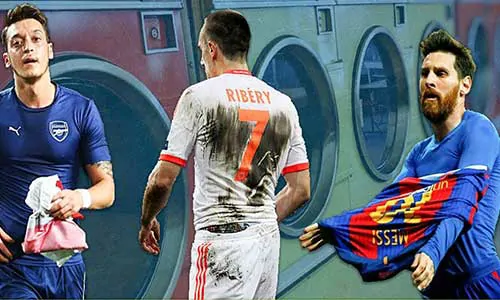
What Happens to Players’ Jerseys After Football Matches? Preparation for the Football World Cup 2026
The final whistle blows, the stadium roars, and players immediately head toward their opponents to exchange handshakes, hugs, and shirts. This iconic scene is one of the most beloved traditions in modern sports. As fans and teams prepare for major tournaments, including the highly anticipated football world cup 2026, many often wonder about the journey of these garments. What actually happens to these sweat-soaked, mud-stained pieces of history after the match ends?
For decades, the post-match shirt has held a sacred place in football culture. It is a symbol of respect, camaraderie, and athletic achievement. However, behind this simple exchange lies a massive logistical operation managed by unsung club heroes. From state-of-the-art washing machines to high-value charity auctions, the life of a professional soccer jersey is surprisingly complex. In this comprehensive guide, we will explore the secret cycle of match-day kits, how kit managers keep operations running, and how preparations are underway for the global stage.
Table of Contents
- The Tradition of Jersey Swapping: From Historic Matches to the Football World Cup 2026
- Inside the Dressing Room: Kit Logistics at the Football World Cup 2026
- Do Players Pay for Their Jerseys at the Football World Cup 2026?
- Where Do the Unswapped Jerseys Go?
- Eco-Friendly Material Innovations for the Football World Cup 2026
- The Commercial Value and Authentication of Match-Worn Shirts
- Comparison: Club Matches vs. International Tournaments
- Frequently Asked Questions (FAQs)
The Tradition of Jersey Swapping: From Historic Matches to the Football World Cup 2026
The practice of exchanging shirts began nearly a century ago, with the first recorded swap occurring in 1931 after a match between France and England. Over the years, this humble gesture has evolved into a highly respected ritual. Today, as we head closer to the global spectacle of the football world cup 2026, swapping jerseys remains the ultimate sign of mutual admiration between elite competitors.
However, modern rules have modified how and where this occurs. According to official guidelines, players are technically not permitted to remove their shirts while on the field of play. Doing so can result in a yellow card for excessive celebration or unsporting behavior. Consequently, while some players still perform quick exchanges on the pitch immediately after the whistle, the majority of shirts are now swapped privately in the stadium tunnels or locker rooms.
Furthermore, during highly publicized fixtures in the football world cup 2026, the demands are different. Players often arrange these swaps well in advance. Younger athletes will frequently request jerseys from seasoned veterans weeks before the match even kicks off. These garments represent a physical token of a shared battle, making them highly coveted personal keepsakes.
Inside the Dressing Room: Kit Logistics at the Football World Cup 2026
Behind every immaculate jersey is a hard-working team of equipment managers, commonly known as kit managers. At an event as large as the football world cup 2026, kit managers play a critical role in ensuring that every athlete is equipped with pristine gear. Their responsibilities start hours before the stadium gates open and continue long after the fans have left.
For a typical match, a kit manager does not prepare just one shirt per player. Instead, they usually prepare three to four identical jerseys for each squad member. This is done to accommodate any unforeseen circumstances during the game. The typical allocation per player includes:
- First-Half Jersey: The primary shirt worn at kick-off.
- Second-Half Jersey: A fresh, dry shirt waiting in the dressing room at halftime.
- Emergency Backup: Prepared in case a shirt gets severely torn, stained with blood, or damaged during play.
- Special Request Jersey: Reserved specifically for planned post-match swaps or media appearances.
Moreover, coordinating kits for the football world cup 2026 requires months of meticulous planning, especially with the intense travel logistics expected across multiple host nations in North America. Kit managers must transport thousands of pounds of gear, mobile printing machines, and laundry equipment across different climates and time zones. Indeed, in a grueling tournament like the football world cup 2026, players will run through several kits, meaning inventory management must be flawless.
Do Players Pay for Their Jerseys at the Football World Cup 2026?
A common misconception among fans is that professional footballers have an infinite supply of free clothing. While top-tier clubs do provide extensive inventories, the reality of jersey ownership is surprisingly business-like. In many domestic leagues, players are actually charged a nominal fee for every shirt they give away to fans or swap with opponents.
Former professional players have revealed that clubs keep a detailed tally of the kits distributed throughout the season. At the end of the year, the cost of these replacement shirts is often deducted directly from the player’s wage packet. While this expense is negligible for superstar athletes earning millions, it remains a strict policy designed to minimize waste and promote accountability.
On the other hand, this dynamic changes during major international tournaments. With federations covering the costs for events like the football world cup 2026, the financial burden is handled differently. National associations typically allocate a specific budget for match-day apparel. Nevertheless, the financial logistics of the football world cup 2026 dictate that every single piece of gear is tracked, ensuring that counterfeit memorabilia cannot easily enter the market.
Where Do the Unswapped Jerseys Go?
Not every jersey ends up in an opponent’s kit bag or a fan’s hands. What happens to the remaining shirts? The path of an unswapped jersey generally falls into one of three categories: archiving, charity, or professional washing and reuse.
1. Club Archives and Museums
For historic matches, milestone goals, or championship-winning games, the club or national federation will immediately claim the jerseys. These items are carefully preserved, unwashed, to maintain their historical integrity. They are subsequently displayed in club museums or archived in climate-controlled vaults to protect them from decay.
2. High-Profile Charity Auctions
In recent years, the market for match-worn memorabilia has skyrocketed. Platforms like MatchWornShirt collaborate directly with professional clubs to auction off jerseys immediately after the final whistle. The proceeds from these auctions are commonly donated to local community foundations, medical research, or global relief efforts, turning a piece of sports gear into a powerful tool for social good.
3. Professional Laundering and Reuse
While elite, wealthy clubs can afford to supply new shirts for every half of football, many teams in lower divisions operate on tight budgets. Consequently, these clubs rely heavily on heavy-duty commercial washing machines. Kit managers wash, dry, and repair minor tears after every game, ensuring the same set of kits can be utilized multiple times throughout a competitive season.
Eco-Friendly Material Innovations for the Football World Cup 2026
As the global sports industry faces increasing pressure to address climate change, sports apparel brands are shifting toward sustainable manufacturing. Sustainability will be a primary focus for the football world cup 2026, showing that high performance and environmental responsibility can coexist.
Major brands are designing the football world cup 2026 jerseys with advanced, biodegradable fabrics and recycled polyester. Many of these shirts are constructed entirely from plastic bottles collected from oceans and landfills. Consequently, these innovative materials not only reduce carbon footprints but also provide superior sweat-wicking capabilities for the athletes.
These upcycled shirts from the football world cup 2026 will symbolize a shift toward circular fashion in sports. By proving that elite athletes can compete at the highest level in recycled gear, manufacturers hope to inspire grassroots clubs worldwide to adopt eco-friendly habits and demand greener apparel alternatives.
The Commercial Value and Authentication of Match-Worn Shirts
The memorabilia market is a multi-billion-dollar industry, and match-worn football shirts sit at the very top of collector demand. A shirt worn during a routine league match can fetch hundreds of dollars, while a jersey from an iconic player during a tournament can command astronomical sums. Consequently, the auction value for match-worn shirts from the football world cup 2026 is projected to break records.
To protect collectors from fraud, modern clubs and federations employ rigorous authentication protocols. Jerseys are often equipped with tracking technology, unique serial numbers, or digital watermarks. In some cases, tiny GPS vests worn underneath the shirts are analyzed to verify that the specific garment was indeed used on the pitch during those exact 90 minutes.
This level of detail is crucial for authenticators. When a shirt is sold, it is accompanied by a Certificate of Authenticity (COA) linking it back to the specific match. Without these security measures, the market would be flooded with replicas passing as genuine, match-worn artifacts.
Comparison: Club Matches vs. International Tournaments
Let’s look at how typical league protocols compare to the upcoming football world cup 2026 regulations regarding players’ jerseys and kit management:
| Feature | Regular Season Club Matches | Football World Cup 2026 (Expected) |
|---|---|---|
| Kits Prepared per Game | 2 to 3 per player | 3 to 4 per player |
| Who Pays for Swapped Kits? | Often billed to the player’s account | Fully covered by national federations |
| Match Customization | Standard league patches and numbers | Highly specific embroidery (date, venue, opponent) |
| Sustainability Initiatives | Varies significantly by club tier | Mandatory eco-friendly recycled materials |
| Post-Match Cleaning | Washed locally by club laundry staff | Handled by specialized tournament logistics hubs |
Frequently Asked Questions (FAQs)
Do football players wear a brand-new jersey for every match?
No, not always. While wealthy, elite clubs in top-flight leagues often provide brand-new shirts for every game, many professional clubs wash and reuse their jerseys multiple times throughout the season to manage budgets effectively.
Are players limited to how many shirts they can swap during the football world cup 2026?
Yes, national associations place limits on kit allocations to control budgets. While players have access to multiple jerseys per match, excessive swapping may require authorization from team managers to prevent running out of specialized tournament gear.
Do players wash their own jerseys?
No, at the professional level, players do not wash their own kits. Highly organized kit managers and dressing room staff handle all laundering, drying, and preparation, using commercial-grade machinery to keep the fabrics in perfect condition.
What happens to shirts that get stained with blood during a match?
Under FIFA safety regulations, a player cannot play with blood on their kit. If a jersey is stained, the player must immediately change into a clean, identical backup shirt. The blood-stained shirt is safely collected and is typically disposed of or thoroughly sanitized depending on health protocols.
Will the public be able to buy match-worn jerseys from the football world cup 2026?
Yes, select match-worn jerseys will be made available to the public through verified charity auctions and licensed sports memorabilia platforms. These items are strictly authenticated and come with official certification to prove their match-worn status.
What is the little black vest players wear under their jerseys?
The vest worn under the jersey holds a high-tech GPS tracker. It monitors the player’s physical performance, including distance covered, heart rate, and top speed. This device is entirely separate from the jersey fabric itself but is a staple of modern match preparation.
Conclusion: The Legacy Behind the Fabric
Ultimately, a football jersey is far more than a piece of polyester. It represents the dedication of the player, the passion of the fans, and the tireless behind-the-scenes work of the kit management staff. From simple pitch-side handshakes to structured charity auctions, every shirt has a story to tell. As the countdown to the football world cup 2026 continues, the humble jersey remains at the heart of the beautiful game’s culture, carrying history with every stitch.
For more insights on tournament preparation and sports logistics, explore the official updates from FIFA’s official website. We invite you to share your thoughts in the comments below: Which player’s jersey would you most want to own from the upcoming tournament?