Most Successful Football Clubs Ever Ranked by Major Trophies
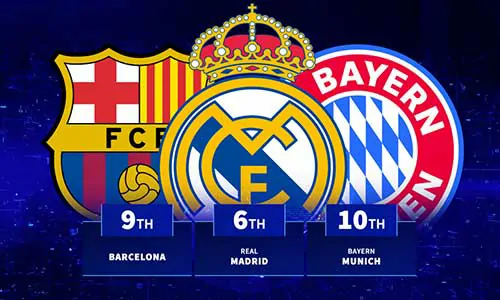
Most Successful Football Clubs Ever Ranked by Major Trophies: The Road to the FIFA World Cup 2026
The eternal debate over which football clubs are the absolute greatest of all time often boils down to a single, undeniable metric: silverware. As the global football community sets its sights on the upcoming FIFA World Cup 2026, which will expand to host a historic 48 nations across North America, the connection between domestic dominance and international legacy has never been clearer. Football clubs serve as the foundational crucible where world-class talent is forged. Indeed, before players can dream of lifting the gold at the FIFA World Cup 2026, they must first conquer local leagues and continental competitions with their respective clubs.
While international tournaments bring nations together, club football represents day-to-day excellence over decades. Consequently, looking at the trophy counts of the most decorated clubs in history provides a masterclass in sustained dominance. In this comprehensive guide, we rank the most successful football clubs ever by major trophies. From the passionate cauldrons of South America to the glittering powerhouses of Europe and Africa, we explore how these historic institutions have built their unmatched legacies while simultaneously preparing the stars of tomorrow for the global spotlight of the FIFA World Cup 2026.
Table of Contents
- Why Club Success Matters in the Lead-Up to the FIFA World Cup 2026
- The Defining Criteria of “Major Trophies”
- The 10 Most Successful Football Clubs Ever Ranked
- Comparative Table: Total Major Trophies Won
- Other Notable Powerhouses of Club Football
- The Global Impact: Preparing Club Stars for the FIFA World Cup 2026
- Frequently Asked Questions (FAQ) about Club Trophies & the FIFA World Cup 2026
- Conclusion: The Ultimate Standard of Greatness
Why Club Success Matters in the Lead-Up to the FIFA World Cup 2026
The relationship between club football and the international game is deeply symbiotic. While fans eagerly anticipate the tactical innovations and thrilling dramas on the road to the FIFA World Cup 2026, they must recognize that these international spectacles are built on the foundations of elite club systems. Year-round, club competitions test players under extreme pressure, refining their tactical discipline, physical endurance, and mental resilience.
Moreover, the historic prestige of a club often instills an uncompromising winning mentality in its players. When a national squad is composed of players who regularly lift trophies with clubs like Real Madrid, Al Ahly, or Bayern Munich, they bring an invaluable standard of excellence to their country. As national managers design their strategies for the expanding roster of the FIFA World Cup 2026, they naturally lean heavily on the experience of players who have tasted success in domestic leagues and continental tournaments. Therefore, analyzing club success is not merely a historical exercise; it is a preview of the elite pedigree that will define the upcoming global tournament.
The Defining Criteria of “Major Trophies”
Before diving into the rankings, it is essential to establish what constitutes a “major trophy.” Football is played globally, and different regions have varied tournament structures. For this ranking, we focus on recognized, official senior honors. This includes:
- Top-Flight Domestic League Titles: Such as La Liga, the Egyptian Premier League, or the Scottish Premiership.
- Primary Domestic Cups: Like the FA Cup, Copa del Rey, or Egypt Cup. Secondary league cups are counted where they hold historical significance.
- Continental Championships: Including the UEFA Champions League, the CAF Champions League, and the Copa Libertadores.
- Intercontinental and Global Trophies: Such as the FIFA Club World Cup and the historic Intercontinental Cup.
Notably, friendly tournaments, regional exhibition cups, and lower-division titles are excluded. This ensures that our comparison remains fair, objective, and reflective of the highest level of competitive football. As players prepare for the rigorous demands of the FIFA World Cup 2026, the standards of these major competitions serve as the perfect benchmark.
The 10 Most Successful Football Clubs Ever Ranked
The following rankings represent the absolute pinnacle of club football. These ten institutions have dominated their respective eras, building legacies that continue to influence the modern game.
1. Al Ahly Sporting Club (Egypt) – The Red Giants (155 Trophies)
At the absolute summit of world football sits Egypt’s Al Ahly Sporting Club. Founded in 1907, the Cairo-based giants have established an era of unprecedented dominance that shows no signs of slowing down. Al Ahly is not just a club; it is an institution that commands the loyalty of millions of passionate fans across the African continent and the Middle East.
Their staggering trophy cabinet includes a record 44 Egyptian Premier League titles and 39 Egypt Cup victories. On the continental stage, Al Ahly is peerless, boasting an unmatched 12 CAF Champions League titles. Their relentless pursuit of silverware has earned them the official title of “African Club of the Century.” Furthermore, Al Ahly’s ability to consistently compete at the highest level on the global stage, including multiple podium finishes at the FIFA Club World Cup, demonstrates their international pedigree.
Al Ahly’s Role in Preparing Stars for the FIFA World Cup 2026
Beyond their domestic trophy hauls, Al Ahly has long been the backbone of the Egyptian national team. The club’s rigorous training culture, high-pressure environment, and continental campaigns prepare players for the demands of international tournaments. Consequently, many of Al Ahly’s top performers will form the core of the national squad, making their preparation crucial for national teams targeting the FIFA World Cup 2026. As Africa’s representatives prepare to take on the world, Al Ahly’s legacy of triumph will undoubtedly influence their campaign.
2. Rangers FC (Scotland) – Glasgow’s Blue Half (120+ Trophies)
Rangers FC of Glasgow, Scotland, holds one of the most remarkable records in European football. Established in 1872, the club has been a dominant force in Scottish football for over a century and a half. Their fierce rivalry with Celtic, known globally as the “Old Firm,” has pushed both clubs to achieve extraordinary heights of domestic consistency.
Rangers boast a world-record 55 Scottish league championships, alongside 34 Scottish Cups and 28 Scottish League Cups. On the European front, they captured the UEFA Cup Winners’ Cup in 1972 and have reached multiple European finals, showcasing their ability to compete with Europe’s elite. The relentless demands of the Glasgow spotlight ensure that Rangers players possess a robust competitive edge. Looking forward, several Rangers prospects will be aiming to represent Scotland at the FIFA World Cup 2026, bringing their physical intensity to the global stage.
3. Club Nacional de Football (Uruguay) – South American Royalty (118+ Trophies)
Uruguay has a footballing history that far exceeds its small population, and Club Nacional de Football is a major reason why. Based in Montevideo, Nacional has been a cornerstone of South American football since 1899. They have built an incredibly rich history based on passion, technical brilliance, and an uncompromising will to win.
Nacional’s trophy collection features 49 Uruguayan Primera División titles. However, it is their international success that truly cements their legendary status. Nacional has won the prestigious Copa Libertadores three times and, remarkably, has gone on to win the Intercontinental Cup on all three occasions, defeating the champions of Europe each time. This incredible 100% success rate in world championship matches highlights their big-game temperament. As we look ahead, several promising talents nurtured in the Nacional academy will continue to develop, aiming to represent Uruguay at the FIFA World Cup 2026.
4. Celtic FC (Scotland) – The Bhoys’ Historic Legacy (117+ Trophies)
Celtic FC, the historic green-and-white half of Glasgow, matches their local rivals in almost every metric of greatness. Founded in 1887 with a charitable mission, Celtic quickly evolved into a footballing powerhouse. Their crowning achievement came in 1967 when the famous “Lisbon Lions”—a squad composed entirely of players born within 30 miles of Celtic Park—won the European Cup, becoming the first British club to do so.
Domestically, Celtic has captured 54 Scottish league titles, 41 Scottish Cups, and 21 Scottish League Cups. Their style of play has traditionally been defined by attacking flair and intense passion. For Celtic, maintaining this rich heritage requires continuous renewal. The intense atmosphere of Celtic Park acts as a high-pressure furnace, shaping players for the grueling matches of the FIFA World Cup 2026, where mental toughness is just as important as technical skill.
5. Peñarol (Uruguay) – Decades of Continental Dominance (113+ Trophies)
Sharing the Montevideo spotlight with Nacional is Peñarol, another titan of South American football history. Founded in 1891, Peñarol has spent over a century accumulating domestic and continental glory. Their yellow-and-black stripes are synonymous with some of the most dramatic moments in South American sports history.
Peñarol holds a record 51 Uruguayan Primera División titles. More importantly, they are five-time winners of the Copa Libertadores, making them one of the most successful clubs in the history of South America’s premier club tournament. Like their rivals Nacional, Peñarol has won three Intercontinental Cups, defeating European giants like Real Madrid and Benfica. This legacy of continental defiance makes Peñarol a legendary institution, and their academy remains a vital source of elite players destined to represent their countries at the FIFA World Cup 2026.
6. Real Madrid CF (Spain) – The Kings of Europe (105+ Trophies)
When most modern fans think of footballing success, Real Madrid is the name that immediately comes to mind. Founded in 1902, the Spanish giants have cultivated an aura of royalty and unmatched global appeal. Real Madrid’s philosophy has always been centered on signing the world’s greatest players—the “Galácticos”—and delivering trophies to their demanding supporters at the Santiago Bernabéu.
Real Madrid’s trophy cabinet is a testament to this philosophy. They have won a record 36 La Liga titles and 20 Copa del Rey trophies. However, their true playground is Europe. Real Madrid has won a record-shattering 15 UEFA Champions League titles, nearly double their closest competitors. Their ability to consistently perform under the bright lights of European nights has defined generations. Today, Real Madrid’s roster serves as a massive pool of talent ahead of the FIFA World Cup 2026, featuring superstar players from France, Brazil, England, and Spain who are expected to dominate the tournament.
7. FC Barcelona (Spain) – More Than a Club (103+ Trophies)
Fierce rivals to Real Madrid, FC Barcelona’s motto “Més que un club” (More than a club) perfectly encapsulates their unique identity. Established in 1899, Barcelona has always stood for a specific philosophy of beautiful, possession-based football, epitomized by the legendary tiki-taka style of the late 2000s and early 2010s.
Barcelona’s trophies are a reflection of their tactical revolution. They have captured 27 La Liga titles, a record 31 Copa del Rey trophies, and 5 UEFA Champions League titles. Furthermore, their famed La Masia academy has produced some of the greatest players in football history, including Lionel Messi, Andres Iniesta, and Xavi Hernandez. In the modern era, Barcelona continues to develop elite youth talent that will inevitably influence the competitive landscape of the FIFA World Cup 2026, as young stars carry the club’s trademark intelligence to their national teams.
8. SL Benfica (Portugal) – The Eagles of Lisbon (85+ Trophies)
Portugal’s most successful club, SL Benfica, has a storied history that reaches deep into the heart of European football folklore. Founded in 1904, the Lisbon-based club dominated Portuguese football for decades and famously won back-to-back European Cups in 1961 and 1962 under the guidance of the legendary Eusébio.
Benfica boasts a record 38 Primeira Liga titles and 26 Taça de Portugal trophies. Known for their world-class scouting network and development academy, the club regularly unearths raw talents, polishes them into superstars, and sells them to Europe’s wealthiest leagues. Consequently, the experience gained by playing in Benfica’s high-stakes environment serves as a vital asset for managers drafting squads for the FIFA World Cup 2026, ensuring that Benfica’s influence is felt far beyond the borders of Portugal.
9. Bayern Munich (Germany) – The Bavarian Powerhouse (84+ Trophies)
Bayern Munich is the undisputed king of German football. Established in 1900, the club has built a reputation for ruthless efficiency, tactical discipline, and financial stability. Unlike many of their European peers, Bayern has managed to combine massive commercial success with a deeply rooted local identity.
Bayern’s trophy haul is staggering: 33 Bundesliga titles—including an unprecedented run of 11 consecutive titles from 2013 to 2023—and 20 DFB-Pokal cups. On the continental stage, they have won the UEFA Champions League 6 times, completing historic trebles in 2013 and 2020. This pedigree of relentless dominance ensures that Bayern players are always prepared for the highest level of competition. As German, French, and other international players from Bayern prepare for the global stage, their club-bred winning mentality will make them key figures at the FIFA World Cup 2026.
10. FC Porto (Portugal) – The Dragons (84 Trophies)
Completing our top ten is FC Porto, another giant of Portuguese football. Based in the northern city of Porto, the club has spent decades challenging Benfica’s dominance and establishing themselves as a formidable force in European competition.
Porto has won 30 Primeira Liga titles, 20 Taça de Portugal trophies, and 2 UEFA Champions League titles—most famously in 2004 under the tactical genius of José Mourinho. Porto’s success is built on a gritty, fighting spirit and an elite developmental model that consistently produces world-class competitors. Their players are renowned for their tactical adaptability, making them highly sought-after assets for national team setups ahead of international showdowns at the FIFA World Cup 2026.
Comparative Table: Total Major Trophies Won by Top Clubs
To provide a clear visual overview of these legendary clubs, the table below breaks down their trophy counts based on top-flight domestic league titles, primary continental championships, and total official senior major trophies.
| Rank | Club | Country | Domestic Leagues | Continental Titles | Total Major Trophies |
|---|---|---|---|---|---|
| 1 | Al Ahly | Egypt | 44 | 12 (CAF Champions League) | 155 |
| 2 | Rangers FC | Scotland | 55 | 1 (Cup Winners’ Cup) | 120+ |
| 3 | Club Nacional | Uruguay | 49 | 3 (Copa Libertadores) | 118+ |
| 4 | Celtic FC | Scotland | 54 | 1 (European Cup) | 117+ |
| 5 | Peñarol | Uruguay | 51 | 5 (Copa Libertadores) | 113+ |
| 6 | Real Madrid | Spain | 36 | 15 (UEFA Champions League) | 105+ |
| 7 | FC Barcelona | Spain | 27 | 5 (UEFA Champions League) | 103+ |
| 8 | Benfica | Portugal | 38 | 2 (European Cup) | 85+ |
| 9 | Bayern Munich | Germany | 33 | 6 (UEFA Champions League) | 84+ |
| 10 | FC Porto | Portugal | 30 | 2 (UEFA Champions League) | 84 |
Other Notable Powerhouses of Club Football
While the top ten clubs represent the absolute pinnacle by total volume of titles, several other world-famous clubs boast incredibly rich histories and represent elite footballing excellence. For instance, English giants like Liverpool and Manchester United have fewer total trophies than Rangers or Celtic, yet their trophies are won in the highly competitive environment of the English Premier League, widely considered one of the toughest leagues in the world.
Manchester United, with 20 top-flight league titles and multiple European trophies, remains one of the most commercially successful and widely followed clubs in history. Meanwhile, Liverpool’s elite European record—featuring six UEFA Champions League trophies—puts them at the very top of English football’s international standing. Their consistent performance makes them a prime source of leadership and talent for national setups ahead of the FIFA World Cup 2026.
Similarly, Italian giants like Juventus, AC Milan, and Inter Milan have built legendary eras of dominance. AC Milan’s seven European Cup/Champions League titles place them second only to Real Madrid in European hierarchy, while Juventus’s domestic domination in Serie A has produced generations of defensive masterminds. As these leagues continue to evolve, the tactical discipline forged in Serie A and the physical intensity of the English Premier League will serve as direct tactical rehearsals for the FIFA World Cup 2026.
The Global Impact: Preparing Club Stars for the FIFA World Cup 2026
The pedigree of these elite clubs has a profound ripple effect across the entire international landscape. Ultimately, the tactical structures employed by top managers at clubs like Real Madrid, Barcelona, or Bayern Munich serve as templates for international managers. When national teams convene to prepare for the massive expansion of the FIFA World Cup 2026, players who are accustomed to demanding club standards are able to adapt instantly to complex game plans.
Additionally, playing for a highly decorated club helps players develop unique psychological resilience. To survive and thrive in clubs where anything less than winning the league is considered a crisis, players must build exceptional mental fortitude. Consequently, when these athletes step onto the pitch in front of millions of fans during the high-pressure games of the FIFA World Cup 2026, they do not fold under the weight of expectations. Instead, they draw upon their extensive experience in high-stakes club matches, turning pressure into match-winning performances on the world’s most prominent stage.
Furthermore, club football facilitates elite talent development through international competition. For instance, European continental competitions like the UEFA Champions League bring together the best players from all continents, creating a weekly masterclass in tactical versatility. Similarly, the CAF Champions League forces African stars to adapt to varied playing conditions, pitches, and environments. This diverse tactical education is exactly why club dominance is a key factor in shaping the narrative of the FIFA World Cup 2026. The physical and mental toughness cultivated over long, exhausting club seasons becomes a powerful weapon for national teams when they compete in North America.
Frequently Asked Questions (FAQ) about Club Trophies & the FIFA World Cup 2026
Which football club has won the most official trophies in history?
Egypt’s Al Ahly Sporting Club is widely recognized as the most successful football club in the world, having amassed an astonishing tally of over 155 official major trophies. Their dominance includes 44 domestic league titles and a record 12 CAF Champions League titles. This standard of consistent excellence prepares their players to represent their nations proudly, particularly as we look ahead to the expanded tournament of the FIFA World Cup 2026.
Why do some clubs like Rangers and Celtic have more trophies than Real Madrid or Barcelona?
Rangers and Celtic play in the Scottish Premiership, where they have dominated domestic football almost exclusively for over a century. Because Scotland has two primary cup competitions along with the league, these Glasgow giants have had more annual opportunities to win domestic silverware. On the other hand, Spanish clubs compete in a highly competitive league with only one major domestic cup. However, Spanish teams have won more continental titles, which are heavily valued in debates about the absolute elite of the sport, especially for players preparing for the high-intensity atmosphere of the FIFA World Cup 2026.
How does club success directly influence a player’s performance in the FIFA World Cup 2026?
Club success is the ultimate training ground for international football. Players who compete at the highest club levels learn how to manage physical fatigue, understand complex tactical systems, and handle intense media scrutiny. Therefore, players from clubs with rich trophy histories bring a veteran presence and an elite winning mentality that can stabilize a national team during the high-stakes knockout rounds of the FIFA World Cup 2026.
Do South American clubs still produce world-class talent for the World Cup?
Absolutely. Clubs like Nacional and Peñarol in Uruguay, alongside Brazilian and Argentine academies, continue to be primary breeding grounds for global footballing talent. Even though many young stars eventually move to European leagues, their foundational years are shaped by the intense, passionate style of South American club football. Consequently, these clubs remain highly influential in preparing future superstars who will represent South American nations at the FIFA World Cup 2026.
What is the difference between major trophies and total trophies?
Major trophies refer to officially recognized, senior-level competitive titles organized by national associations and continental governing bodies (such as FIFA, UEFA, CAF, and CONMEBOL). These include top-flight leagues, primary domestic cups, and official continental and intercontinental tournaments. Conversely, friendly tournaments, preseason exhibitions, and regional cups are not counted as major trophies because they lack official competitive standing.
Are players from African clubs expected to star in the FIFA World Cup 2026?
Yes, definitely. African club football, led by powerhouses like Al Ahly, has reached incredible levels of tactical and physical maturity. Players who excel in the CAF Champions League possess the resilience and experience necessary to compete against the best in the world. With Africa receiving more qualifying slots for the expanded 48-team tournament, several domestic-based stars will have a golden opportunity to showcase their talent during the FIFA World Cup 2026.
Conclusion: The Ultimate Standard of Greatness
In conclusion, the debate over the most successful football clubs in history is a testament to the beautiful game’s global diversity. Whether it is Al Ahly’s peerless dominance in Africa, the historic Old Firm rivalry of Rangers and Celtic in Scotland, or the glittering European royalty of Real Madrid, each club has carved an immortal legacy defined by trophies.
Ultimately, these historic clubs do more than just win silverware; they serve as the heartbeat of global football. They are the institutions that discover, nurture, and refine the elite talents who will soon captivate billions of fans on the international stage. As we approach the historic kickoff of the FIFA World Cup 2026, the hard work, tactical discipline, and winning mentality cultivated in these legendary club environments will take center stage.
What do you think? Which of these historic clubs do you believe has built the most impressive legacy? And which club stars do you think will go on to capture the ultimate prize at the FIFA World Cup 2026? Share your thoughts in the comments below, and don’t forget to share this article with your fellow football fans!