Football Pitch Maintenance Explained: Natural Grass vs Hybrid Turf
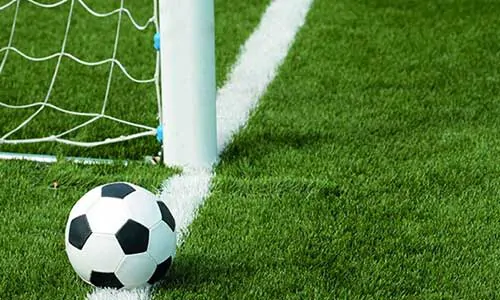
Football Pitch Maintenance Explained: Natural Grass vs Hybrid Turf for the Football world cup 2026
The global stage of professional football demands nothing less than perfection when it comes to the playing surface. As excitement builds for the highly anticipated Football world cup 2026, sports turf managers, club owners, and stadium ground crews find themselves under intense scrutiny. The quality of a pitch directly influences player safety, ball physics, and the overall aesthetic appeal of the game broadcast to billions. Consequently, deciding between traditional natural grass and modern hybrid turf systems has become a crucial strategic choice. The demands of the Football world cup 2026 require surfaces that can withstand intense schedules while maintaining elite playability.
Table of Contents
- The Evolution of Elite Playing Surfaces
- Understanding Natural Grass Pitches: Traditional, Authentic, and Delicate
- The Rise of Hybrid Turf Systems
- Key Differences: Natural Grass vs Hybrid Turf
- Essential Football Pitch Maintenance Techniques
- Specialized Turf Technologies Used in Elite Arenas
- Costs and Longevity: A Financial Comparison
- Environmental and Sustainability Factors
- Conclusion: Choosing the Perfect Surface for the Future
- Frequently Asked Questions (FAQ) about Pitch Maintenance
The Evolution of Elite Playing Surfaces for the Football world cup 2026
Historically, football was played on whatever patch of land was available. From muddy, waterlogged fields in winter to hard-baked, dusty grounds in summer, players simply adapted to the elements. However, as the commercial value of professional football skyrocketed, the tolerance for poor playing conditions plummeted. Today, the standard required for the Football world cup 2026 is higher than ever before, prompting groundskeepers to utilize cutting-edge agronomy and engineering.
Over the last few decades, sports turf management has transitioned from basic gardening into a highly specialized scientific discipline. The introduction of synthetic materials in the late 20th century initially promised a low-maintenance alternative. Yet, early artificial pitches caused significant player injuries and altered ball behavior unpredictably. Therefore, turf grass scientists focused on reinforcing natural soil and grass systems. This research ultimately led to the development of advanced hybrid turf systems designed to survive the rigorous tournament structures of the Football world cup 2026.
Consequently, the organizational teams managing stadiums for the Football world cup 2026 are leaving no stone unturned. Every blade of grass is monitored, and every physical parameter of the soil is tested daily. To maintain these global standards, stadium operators collaborate with world-renowned agronomy experts, including organizations like the Sports Turf Research Institute (STRI) to establish baseline guidelines for tournament preparation.
Understanding Natural Grass Pitches for the Football world cup 2026
To many purists, nothing compares to the smell, texture, and feel of a genuine, 100% natural grass pitch. Traditionalists preparing venues for the Football world cup 2026 argue that natural grass offers the most authentic playing experience. The slide tackles are smoother, the traction feels more organic, and the rotational resistance on players’ joints is significantly lower, reducing the risk of non-contact injuries.
Natural grass pitches typically rely on two main categories of turfgrass depending on the local climate: cool-season grasses and warm-season grasses. Cool-season turfgrasses, such as Perennial Ryegrass (Lolium perenne) and Kentucky Bluegrass (Poa pratensis), thrive in temperate regions, offering rapid recovery from wear and a vibrant green appearance. These grass varieties will be crucial for the northern host cities of the Football world cup 2026, where cooler temperatures prevail during certain seasons.
In contrast, warm-season grasses like Bermuda Grass (Cynodon dactylon) are selected for hotter, humid environments due to their drought tolerance and deep root systems. In warmer climates, Bermuda grass is selected, particularly for southern venues of the Football world cup 2026 where maintaining hydration in the turf is a major challenge. These grasses enter dormancy in winter but provide a tough, resilient surface during the peak summer months.
However, maintaining a pristine natural grass surface under professional usage is incredibly demanding. Natural grass requires biological recovery time. If a pitch experiences consecutive matches without adequate rest, the grass density quickly deteriorates, leaving bare soil patches. Additionally, extreme weather events, such as torrential rain or frost, can render a natural pitch unplayable. Consequently, keeping natural grass in tournament-ready condition for the Football world cup 2026 requires an intensive, round-the-clock maintenance regimen.
The Rise of Hybrid Turf Systems for the Football world cup 2026
As modern stadiums evolve to feature towering stands and retractable roofs, they inadvertently block sunlight and restrict natural airflow. This architectural shift makes it nearly impossible for natural grass to survive on its own. To solve this dilemma, hybrid turf systems were engineered. This innovative approach is why modern venues for the Football world cup 2026 prefer hybrid surfaces, combining the playability of natural grass with the durability of synthetic fibers.
A hybrid pitch typically consists of a natural grass rootzone reinforced with millions of synthetic polyethylene or polypropylene fibers. These artificial fibers are injected or stitched vertically into the pitch’s rootzone at regular intervals (usually 2 centimeters apart) to a depth of roughly 18 to 20 centimeters. This structure means that only about 3% to 5% of the surface consists of synthetic fibers, while the remaining 95% is real, living grass. The roots of the natural grass intertwine with the synthetic fibers, anchoring the turf firmly to the ground.
This high-tech combination is the reason major stadiums host tournaments like the Football world cup 2026 with confidence. The synthetic fibers act as a stabilizing matrix, protecting the organic grass roots from being dislodged. If a player slides or makes a sharp turn, the synthetic fibers hold the sand and soil together, preventing the creation of large divots that can disrupt play and cause injuries.
This reinforcement prevents the turf from tearing away during aggressive slides or sudden direction changes, which is crucial for the tight schedule of the Football world cup 2026. Even if the natural grass blades get damaged or sheared off during play, the synthetic fibers remain standing, maintaining a level, green, and stable surface. Thus, hybrid turf drastically increases the number of playable hours per week compared to its natural counterpart.
Key Differences: Natural Grass vs Hybrid Turf
To fully grasp the scope of professional sports turf management, it is helpful to compare these two options side-by-side. The decision to implement either option depends heavily on tournament demands, such as the high-intensity durability needed for the Football world cup 2026 matches.
| Feature | Natural Grass Pitch | Hybrid Turf Pitch |
|---|---|---|
| Composition | 100% natural organic living turf | 95% natural grass reinforced with 5% synthetic fibers |
| Weekly Play Limits | Approx. 4 – 6 hours of professional use | Up to 15 – 20 hours of professional use |
| Installation Cost | Moderate ($150,000 – $350,000 USD) | High ($500,000 – $1,000,000+ USD) |
| Lifespan | Highly variable (requires frequent re-sodding) | 8 to 10 years with proper maintenance |
| Weather Resilience | Susceptible to heavy rain, frost, and heatwaves | Excellent stability in harsh weather and high rain |
Ultimately, while natural grass represents the traditional spirit of the game, hybrid turf provides a level of durability and consistency that modern professional football increasingly relies on. Groundskeepers must evaluate their stadium design, climate, and usage demands before selecting a system.
Essential Football Pitch Maintenance Techniques
Regardless of whether a venue opts for a purely natural surface or a high-tech hybrid field, maintenance is a daily, scientific endeavor. Professional groundskeepers employ a suite of specialized techniques to keep the grass healthy, resilient, and beautiful. This level of dedication ensures that every pass, bounce, and sprint meets the standards set by global governing bodies like the FIFA Quality Programme.
1. Mowing and Height of Cut (HOC)
Mowing is about much more than just keeping the grass short. It stimulates lateral growth, increases turf density, and directly influences ball speed. For elite competitions, the exact grass height for the Football world cup 2026 will typically be set between 22 and 28 millimeters. Groundskeepers use cylinder mowers with sharp, heavy rollers that cut the grass cleanly while pressing it to create those iconic light-and-dark striped patterns.
Achieving this perfect height of cut across all venues of the Football world cup 2026 is critical for keeping playing conditions uniform. Additionally, the direction of the cut is rotated during each session to prevent the grass blades from leaning in a single direction, which can distort the ball’s roll. Regular mowing, often up to once or twice a day during the active growing season, is essential to maintain uniform density across the entire pitch surface.
2. Irrigation and Drainage Management
Water management is a delicate balancing act. Overwatering leads to shallow root systems, anaerobic soil conditions, and soft, slippery turf. Conversely, underwatering causes dry patches, brittle grass blades, and a hard, fast-playing surface. Consequently, sophisticated irrigation systems, featuring dozens of computer-controlled pop-up sprinklers, are essential for the Football world cup 2026 stadiums.
As rain can strike unpredictable tournament schedules, preparing these fields for the Football world cup 2026 involves testing under extreme simulated downpours. Beneath the turf, professional pitches feature high-spec sand-based rootzones paired with complex sub-surface drainage systems. This structure allows the field to drain heavy rainfall rapidly—often up to 100 millimeters of water per hour. This rapid drainage ensures that matches are never called off due to standing water on the field, even during tropical storms.
3. Aeration and Scarification
Over time, the soil beneath a football pitch becomes compacted due to player foot traffic and heavy maintenance machinery. Compacted soil lacks the oxygen pores required for healthy roots to grow deep into the ground. Therefore, groundskeepers preparing for the Football world cup 2026 use hollow-tine aeration machines. These machines punch thousands of holes into the turf, pulling out soil plugs and allowing oxygen, nutrients, and water to reach the root system directly.
Groundskeeping teams working on the Football world cup 2026 stadiums perform this deep-tine aeration at least once a month. In addition to aeration, scarification is performed periodically to remove “thatch.” Thatch is a layer of dead organic matter, stems, and roots that accumulates between the green vegetation and the soil surface. If left unchecked, thatch acts like a sponge, holding excessive moisture and promoting turf disease. Scarification gently rakes out this organic debris to keep the surface firm and clean.
4. Fertilization and Soil Nutrition for the Football world cup 2026 Pitches
Maintaining an elite grass surface requires a custom-tailored nutritional program based on regular soil and tissue testing. Nutrition plans for the Football world cup 2026 pitches are designed to balance macro-nutrients (Nitrogen, Phosphorus, and Potassium) with essential micro-nutrients like Iron and Magnesium. Nitrogen promotes leafy green growth and recovery, while Potassium strengthens the plant’s cell walls, increasing its resistance to disease, drought, and wear.
By feeding the grass dynamically, managers of the Football world cup 2026 pitches can control the green pigment of the grass. Furthermore, liquid fertilizers are frequently applied as foliar feeds to provide rapid nutrient uptake ahead of key matches. Liquid applications allow groundskeepers to fine-tune the color and vigor of the turf within hours, ensuring the pitch looks flawless on television broadcasts.
Specialized Turf Technologies Used in Football world cup 2026 Arenas
As modern stadiums grow larger, they often block out sunlight, wind, and fresh air, which are the fundamental life-support systems for natural grass. To counteract these challenging microclimates, high-tech stadiums hosting the Football world cup 2026 utilize a suite of specialized agricultural engineering systems. These innovations ensure that even the most deeply enclosed arenas can maintain a pristine pitch year-round.
One of the most visible technologies is the mobile grow light system. These massive, wheeled aluminum rigs are rolled onto the pitch between matches and training sessions. Equipped with high-intensity sodium or LED bulbs, they emit specific light wavelengths that mimic natural sunlight. This artificial light stimulates photosynthesis, allowing the turf to heal and grow even in the dead of winter or deep within a stadium’s shadow cast by towering grandstands.
In addition to grow lights, elite fields are equipped with undersoil heating and cooling systems. A network of piping buried beneath the rootzone circulates warm or cool water, regulating the soil temperature. During freezing conditions, undersoil heating prevents frost from forming, ensuring the pitch remains soft and playable. Conversely, in hot climates, sub-surface cooling prevents the rootzone from overheating, which can cause temperate grass varieties to go dormant or die. These advanced engineering solutions are indispensable for maintaining the rigorous standards of the Football world cup 2026 across diverse geographic venues.
Costs and Longevity: A Financial Comparison
When sports clubs or local municipalities plan to build or renovate a stadium, budget planning is a major factor. The financial decision-making process for the Football world cup 2026 venues must balance the initial capital expenditure (CAPEX) with ongoing operational costs (OPEX). While some choices may seem cost-effective initially, they can lead to massive long-term expenses.
An elite, 100% natural grass pitch is relatively cheap to install. The initial sodding or seeding process typically costs between $150,000 and $350,000, depending on the grass strain and sub-base construction. However, because natural grass wears out quickly, it often needs to be completely re-sodded multiple times per year if the stadium hosts concerts, multiple matches, or community events. Over a ten-year period, these recurring replacement costs can quickly add up, making it a very expensive long-term option.
In contrast, a premium hybrid turf system requires a massive upfront investment. Stitching synthetic fibers into the sand-based rootzone often pushes the initial installation cost to anywhere from $500,000 to over $1,000,000. Nevertheless, a well-maintained hybrid pitch can easily last 8 to 10 years without requiring full turf replacement. This economic trade-off is why many Football world cup 2026 host venues have shifted from pure sod to hybrid systems. Because it can withstand up to three times more playing hours than natural grass, stadiums can host additional non-sporting events, generating substantial revenue to offset the initial setup cost.
Environmental and Sustainability Factors
In today’s ecological climate, modern sports venues cannot afford to ignore the environmental impact of their choices. Aligning with the sustainability goals of the Football world cup 2026 program, stadium operators are closely examining water consumption, fertilizer runoff, and the carbon footprint of their turf maintenance practices.
On one hand, 100% natural grass pitches act as natural carbon sinks, absorbing carbon dioxide and releasing fresh oxygen. They also promote soil biodiversity, providing a habitat for beneficial microorganisms. However, maintaining them requires significant quantities of fresh water, chemical fertilizers, and pesticides. To address this, many modern arenas use recycled rainwater harvesting systems and organic pest management techniques to reduce their ecological footprint.
On the other hand, hybrid pitches introduce synthetic plastics into the ground. Therefore, environmental assessments of the Football world cup 2026 projects are strictly monitoring microplastics and runoff. When a hybrid pitch is eventually retired after its lifespan of a decade, separating the organic grass and soil from the synthetic fibers is a highly complex process. Fortunately, turf manufacturers are developing recyclable, biodegradable synthetic fibers to resolve this issue. By choosing sustainable materials, venues can protect player safety and performance while respecting the environment.
Conclusion: Choosing the Perfect Surface for the Future
Ultimately, the choice between natural grass and hybrid turf comes down to a balance of playability, durability, and budget. As we look forward to the Football world cup 2026, it is clear that hybrid turf systems are becoming the gold standard for high-intensity, multi-use stadiums. Their ability to deliver flawless playability while resisting heavy wear is unmatched. However, for smaller clubs or venues with less demanding schedules, a traditional natural grass pitch remains a beloved and highly viable option when backed by scientific maintenance.
If you are looking to design, build, or maintain a world-class sports surface, it is essential to consult with certified agronomists and experienced turf engineers. Investing in the right technology today ensures a safe, beautiful, and durable field for years to come. Ready to take your pitch to the next level? Contact our expert sports turf consultancy team today for a custom evaluation of your venue’s needs!
Frequently Asked Questions (FAQ) about Pitch Maintenance
Below are some of the most common questions regarding elite football pitch maintenance, especially leading up to global tournaments.
Q1: What is the main difference between natural grass and hybrid turf?
A1: A natural grass pitch consists of 100% living organic turf. In contrast, a hybrid turf pitch combines roughly 95% natural grass with 5% synthetic fibers stitched vertically into the sand-based soil. This reinforcement provides much greater durability and prevents the turf from tearing away during intense matches.
Q2: Will the Football world cup 2026 be played on natural grass or hybrid turf?
A2: The majority of the stadiums hosting the Football world cup 2026 are expected to utilize advanced, reinforced hybrid turf systems. This choice ensures the pitches can withstand multiple matches in a short period without quality deterioration, meeting strict tournament standards.
Q3: How often do professional football pitches need to be watered?
A3: Elite football pitches are typically watered daily, often twice a day during hot weather. On matchdays, groundskeepers will irrigate the surface just hours before kickoff and even during halftime to slick the grass blades, which increases ball speed and smoothens play.
Q4: Why do groundskeepers use grow lights on professional pitches?
A4: Grow lights are used to mimic natural sunlight in modern stadiums where high stands or roofs block the sun. They stimulate photosynthesis, allowing the grass to grow, recover, and repair itself in shaded areas or during seasons with short daylight hours.
Q5: How long does a hybrid pitch last before it needs replacement?
A5: With a proper, scientific maintenance routine, a premium hybrid pitch can last between 8 and 10 years. After this period, the synthetic fibers may lose their resilience or become too worn, requiring a full pitch renovation.
Q6: Is hybrid turf safe for professional players?
A6: Yes, modern hybrid turf is highly safe and preferred by many professional players. During high-profile matches in the Football world cup 2026, consistent traction is vital for player confidence. Because the playing surface is 95% natural grass, it feels like traditional turf underfoot, while the synthetic reinforcement ensures there are no divots or unstable patches that can cause sudden slips and ankle injuries.