FIFA World Cup 2026 Ticket Lottery Explained: How the Draw System Works
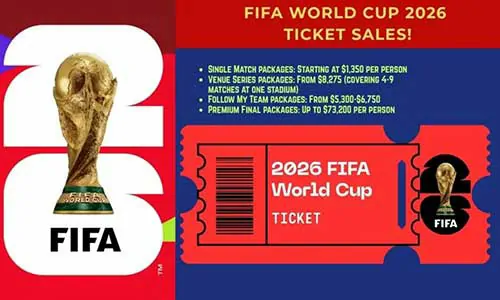
The excitement is reaching a fever pitch as North America prepares to host the highly anticipated FIFA World Cup 2026. With 48 teams competing across three nations—the United States, Canada, and Mexico—demand for match tickets has skyrocketed to unprecedented levels. Consequently, to ensure fair access for millions of global football fans, FIFA implements a randomized ticket lottery system. This comprehensive guide will explain exactly how the FIFA World Cup 2026 ticket lottery and draw system work, helping you navigate the process and maximize your chances of securing a seat at the tournament.
Whether you are a seasoned match-goer or a first-time spectator, understanding the mechanics of the ticket draw is crucial. In this guide, we break down the stages of the draw, explain how individual applications are processed, examine ticket categories, and detail what to do if you missed the primary draw window.
Table of Contents
- 1. Understanding the FIFA World Cup 2026 Ticket Allocation Process
- 2. Step-by-Step: How the FIFA World Cup 2026 Random Selection Draw Works
- 3. Key Dates in the FIFA World Cup 2026 Sales Timeline
- 4. Purchasing Rules and Ticket Categories for FIFA World Cup 2026
- 5. Navigating the Post-Lottery Phases of the FIFA World Cup 2026
- 6. Fallback Options: Last-Minute Sales and Resale Markets
- 7. Frequently Asked Questions (FAQs)
Understanding the FIFA World Cup 2026 Ticket Allocation Process
With millions of applications flooding the ticketing portal, organizing a fair distribution system is an immense challenge. Therefore, FIFA utilizes a draw-based system—often referred to as a “lottery”—rather than a standard first-come, first-served mechanism for its main sales phases. This method prevents server overloads and gives every applicant an equal chance of success, regardless of their internet speed or geographic location.
To manage this, the ticketing program split the distribution into distinct stages. Specifically, the system groups tickets into specific match packages, stadium-specific passes, and individual match tickets. Because demand heavily outweighs supply, especially for high-profile fixtures like the opening matches and the final, the lottery ensures that the distribution remains highly regulated and transparent.
Furthermore, this system prevents localized hoarding by enforcing strict household limits. By allocating a set percentage of seats to different demographics, including host nation residents and international visitors, the system balances global representation with local passion. Let us look closer at the algorithm and criteria that drive this allocation engine.
Step-by-Step: How the FIFA World Cup 2026 Random Selection Draw Works
The mechanics of the FIFA World Cup 2026 random selection draw are governed by a secure computerized algorithm. To participate, fans must register on the official portal and select their desired matches and ticket categories. Here is the chronological sequence of how the draw engine operates behind the scenes:
- Application Collection: During the designated application window, fans submit their choices. There is no competitive advantage to applying early in this window; all applications submitted before the closing deadline are treated with equal weight.
- Data Validation & Deduplication: FIFA’s ticketing systems cross-reference submitted applications to detect duplicate entries from the same household or payment cards. Consequently, invalid or deceptive applications are filtered out to maintain integrity.
- The Randomized Allocation Algorithm: Once the application window closes, the computerized draw is initiated. For every individual match, if demand exceeds the available ticket quota, the algorithm randomly selects applications for allocation.
- Partial vs. Full Success: Applicants can be successful, partially successful (e.g., getting tickets to only one of the three matches they applied for), or unsuccessful. The algorithm attempts to keep group applications together so that friends and families are not split up.
- Automated Payment Processing: Crucially, when submitting your application, you must provide valid payment card details. If your application is successful or partially successful, your card is charged automatically. There is no option to opt-out or select a subset of the awarded tickets after the draw.
This automated framework protects the ecosystem from speculative buyers. Because payments are processed immediately upon selection, applicants are encouraged to only apply for matches they genuinely intend to pay for and attend.
Key Dates in the FIFA World Cup 2026 Sales Timeline
To secure a seat, keeping track of the official ticketing timeline is essential. The allocation journey consists of several structured phases, starting almost a year before the opening match and extending up to the tournament itself. Below is a detailed timeline illustrating the key phases of the ticketing cycle:
| Sales Phase | Timeline Period | Key Characteristic |
|---|---|---|
| Visa Presale Draw | September 10 – September 19, 2025 | Exclusive window for Visa cardholders to enter the early draw. |
| Early Ticket Draw | October 27 – October 31, 2025 | Open registration period with domestic exclusivity benefits. |
| Random Selection Draw | December 11, 2025 – January 13, 2026 | The main global lottery phase open to all fans worldwide. |
| PMA Supporters Draw | Dec 11, 2025 – Jan 13, 2026 (Late: April 2026) | Allocated quotas for supporters of participating national teams. |
| Last-Minute Sales Phase | Launched April 1, 2026 (Ongoing) | First-come, first-served basis with immediate digital delivery. |
As indicated by the timeline, the major lottery draws have now concluded. However, knowing how these phases progressed gives vital context on ticket availability. If you are looking for tickets today, the primary avenue has shifted to first-come, first-served options and the official resale portal.
Purchasing Rules and Ticket Categories for FIFA World Cup 2026
When preparing to apply for or purchase tickets, fans are presented with four distinct price categories. These categories correspond to different viewing zones within the stadium. Understanding these zones allows you to manage your budget and prioritize your match-day experience.
Specifically, the breakdown of ticket categories is as follows:
- Category 1: The most expensive option, offering prime seats situated along the long sides of the pitch. These seats provide the clearest tactical view of the play.
- Category 2: Positioned adjacent to Category 1, offering excellent diagonal views of the entire field.
- Category 3: Located primarily behind the goals and in the upper tiers of the stadiums, balancing affordability with a vibrant fan atmosphere.
- Category 4: The most affordable tier, reserved exclusively for residents of the host nations (US, Canada, and Mexico). This category ensures local accessibility to the beautiful game.
- Accessibility Tickets: Dedicated seating options designed for individuals with limited mobility, wheelchair users, or those requiring easy access, offered at the lowest local ticket price.
Additionally, households are subject to purchasing limits to prevent commercial exploitation. For instance, an individual can apply for a maximum of six tickets per match and attend up to 10 matches throughout the tournament. By enforcing these boundaries, FIFA distributes tickets to a broader audience rather than concentrated groups.
Navigating the Post-Lottery Phases of the FIFA World Cup 2026
Once the lottery computer finishes its runs, successful applicants receive official confirmation emails. If you were selected, the payment method registered to your account was automatically debited. Consequently, checking your bank statements during the notification window is a common practice for hopeful ticket holders.
Upon successful payment, tickets are not delivered immediately via email. Instead, they are loaded into the official mobile ticketing application closer to the start of the tournament. This mobile-first delivery system serves as a powerful security barrier against duplicate tickets and unauthorized street vendors.
Furthermore, fans who traveling to the United States can take advantage of the FIFA Priority Appointment Scheduling System (FIFA PASS). This system coordinates with immigration authorities to streamline the visa application process for confirmed ticket holders, helping fans secure their travel permits smoothly.
Fallback Options: Last-Minute Sales and Resale Markets
If you were unsuccessful in the primary FIFA World Cup 2026 ticket lottery draws, there is no need to lose hope. Fortunately, several official secondary options exist to help you secure verified access to the stadiums.
The primary fallback is the Last-Minute Sales Phase, which launched on April 1, 2026. Unlike the previous randomized selection draws, this phase operates strictly on a first-come, first-served basis. If any tickets from previous phases go unpaid, or if host city quotas are adjusted, they are released directly onto the platform. Consequently, users who refresh the portal regularly can occasionally snap up prime tickets.
Additionally, the Official FIFA Resale Marketplace is currently active. This is the only authorized platform for fans to buy and sell tickets at regulated, face-value prices. If a ticket holder can no longer travel or attend a match, they can safely list their ticket. Conversely, buying from unauthorized secondary ticket sites carries significant risks, including ticket invalidation at the turnstiles.
To ensure a safe purchase experience, always use the authorized pathways:
- Visit the Official FIFA Ticketing Portal to check for last-minute inventory.
- Use the FIFA Tournament Information Hub to verify stadium policies and match updates.
Frequently Asked Questions (FAQs)
Q1: When did the FIFA World Cup 2026 ticket lottery take place?
The main global lottery—known as the Random Selection Draw—ran from December 11, 2025, to January 13, 2026. Prior to this, specialized presale draws were held in September and October 2025.
Q2: How are winners chosen in the ticket draw?
Winners are selected using a computerized random allocation algorithm. All eligible applications submitted within the open window are processed together, meaning the exact time of submission does not impact your chances of success.
Q3: Can I cancel my tickets or get a refund if I win?
No. When you submit a lottery application, you agree to an automatic payment mandate. If your application is successful, your registered payment card is charged immediately, and all sales are final.
Q4: What is Category 4 ticketing, and who is eligible?
Category 4 tickets are discounted tickets reserved exclusively for residents of the host countries (United States, Canada, and Mexico). Applicants must provide proof of residency to qualify for this pricing tier.
Q5: Can I resell my FIFA World Cup 2026 tickets if I cannot attend?
Yes, but you must do so through the Official FIFA Resale Marketplace. This secure platform protects both buyers and sellers, ensuring transactions are completed safely at face-value prices.
Q6: How will I receive my tickets?
All tickets will be distributed digitally through the official FIFA Mobile Ticketing App closer to the tournament. Paper tickets or print-at-home PDFs will not be issued for security reasons.
Conclusion
The randomized ticket draw system for the FIFA World Cup 2026 provides a transparent and structured framework designed to offer equal access to football fans globally. By understanding the timeline, application categories, and transaction rules, you can approach the ticketing journey with clarity and confidence.
If you missed out on the main lottery draws, keep a close eye on the official resale platform and active last-minute queues. With persistence, you might still secure your spot at one of the greatest sporting spectacles in history.
Ready to Secure Your Seats?
Head over to the official portal now to check live ticket availability and explore authorized listings on the resale market.