FIFA World Cup 2026 Stadium Rules: Parking, Transport and Entry Policies
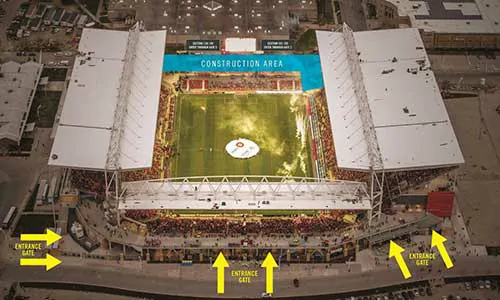
The historic FIFA World Cup 2026 is finally here, bringing together 48 nations in a massive celebration of football across the United States, Canada, and Mexico. Spanning 16 world-class venues, this tournament is the largest and most ambitious sports event in history. For hundreds of thousands of traveling fans, attending a live match is a once-in-a-lifetime experience. However, navigating these giant modern arenas requires careful logistics. Planning ahead for a FIFA World Cup 2026 matchday is crucial, as stadium policies differ significantly from standard league games. Consequently, this comprehensive guide outlines everything you need to know about stadium entry, transport systems, and parking policies.
Table of Contents
- 1. Essential Entry Policies for the FIFA World Cup 2026
- 2. FIFA World Cup 2026 Clear Bag Policy Explained
- 3. Prohibited Items and Fan Conduct
- 4. FIFA World Cup 2026 Parking and Transport Overview
- 5. Host City Deep-Dive: Navigating FIFA World Cup 2026 Stadiums
- 6. Frequently Asked Questions (FAQs)
- 7. Conclusion and Final FIFA World Cup 2026 Checklist
Essential Entry Policies for the FIFA World Cup 2026
Entering the stadium smoothly is the first step to an unforgettable matchday. Because of the scale of the FIFA World Cup 2026, organizers have established strict entry protocols to manage crowd flow safely and efficiently. Therefore, knowing what to do before you reach the turnstiles will save you valuable time.
The FWC2026 Mobile Tickets App
First and foremost, all tournament matches operate on a strictly digital ticketing system. You must download the official FWC2026 Mobile Tickets application on your iOS or Android device. Printed PDF tickets, paper confirmations, and simple screenshots are invalid and will be rejected at the gate. To avoid transit hiccups, transfer tickets to your group members before arriving, keep your mobile device fully charged, and add tickets to your Apple Wallet or Google Pay. If your phone malfunctions, visit the designated Ticket Resolution Points near the stadium perimeter.
Official Stadium Name Changes
Many stadiums across the United States, Canada, and Mexico use corporate sponsorship names during regular league games. However, due to FIFA’s commercial rights policies, several venues will use generic names during the tournament. For instance, MetLife Stadium is officially designated as the “New York New Jersey Stadium,” and SoFi Stadium is called the “Los Angeles Stadium”. Consequently, ensure you double-check the naming on your official ticket to prevent any directional confusion when navigating local transport.
Security Clearances and Arrival Times
Security checkpoints will open approximately three to four hours before kickoff. Due to intensive security screenings, metal detectors, and ticket scanning, you should plan to arrive at least two to three hours before the match begins. Arriving early prevents bottlenecks at the gates and gives you plenty of time to enjoy the pre-game festivities. Furthermore, please note that stadiums enforce a strict no-re-entry policy. Once your ticket is scanned and you pass security, you cannot leave and return.
FIFA World Cup 2026 Clear Bag Policy Explained
To maximize public safety and accelerate checkpoint screenings, a uniform clear bag policy is enforced across all 16 stadiums. Understanding these dimensional limits is vital to avoid having your personal items confiscated or being turned away at the gates.
Approved Bags for FIFA World Cup 2026 Matches
When choosing a bag for a FIFA World Cup 2026 match, ensure it fits one of the following criteria:
- Clear Plastic Bags: Clear plastic, vinyl, or PVC bags that do not exceed 12 x 6 x 12 inches (30 x 15 x 30 cm) are allowed. Alternatively, you can use a simple one-gallon clear plastic storage bag (up to 11 x 11 inches).
- Small Clutches and Wallets: Small, non-clear clutches, wristlets, or wallets are permitted, provided they do not exceed 6.5 x 4.5 inches (16.5 x 11.5 cm). These can easily be carried in hand or placed inside your clear bag.
- Medical and Childcare Exemptions: Necessary medical equipment or diaper bags are allowed but will be subject to thorough manual inspection at designated lanes.
In contrast, traditional backpacks, larger purses, briefcases, fanny packs, and zippered seat cushions are strictly banned. Furthermore, stadiums do not offer bag storage or locker facilities. Consequently, bringing a non-compliant bag will force you to return to your vehicle or hotel, risking missing kickoff.
Prohibited Items and Fan Conduct
Creating a safe, welcoming, and inclusive atmosphere is a top priority for tournament organizers. Therefore, a unified Code of Conduct governs fan behavior and item permissions inside every arena.
Vaping and Smoking Bans
Smoking, vaping, and the use of any electronic nicotine delivery systems are completely prohibited inside all stadium gates, including the outer security perimeters. Lighters and matches are also confiscated at the gate. Crucially, international travelers visiting Mexico should note that importing e-cigarettes and vaping devices into the country is illegal under federal Mexican law. Carrying multiple devices can result in heavy fines, confiscation, or detention. Therefore, leaving your vape at home is highly recommended.
The Water Bottle Rule Reversal
Initially, organizers announced a complete ban on plastic bottles inside stadiums. However, following feedback from fan associations, FIFA reversed this policy to prevent dehydration during the summer heat. Fans are now officially permitted to bring one empty clear plastic bottle (up to 1 liter capacity) to refill at stadium water fountains, or a single sealed, disposable water bottle.
Banned Signage, Flags, and Devices
Supporters are welcome to bring flags and banners to show their team pride. However, flags must not exceed 2 x 1.5 meters (approximately 6.5 x 5 feet). Furthermore, flagpoles must be made of flexible plastic or light wood, not exceeding 1 meter in length and 1 centimeter in diameter. Any banners, clothing, or signs containing political, commercial, religious, offensive, or discriminatory slogans are strictly banned and will be confiscated at security. Professional cameras, tripods, selfie sticks, and drones are also prohibited.
FIFA World Cup 2026 Parking and Transport Overview
With millions of fans traveling to matches, FIFA World Cup 2026 transport options are heavily optimized around public rail, subway, and shuttle networks. Parking at the stadiums is highly restricted, requires advanced booking, and comes at a premium cost.
In addition, ride-sharing apps like Uber and Lyft will experience surge pricing and heavy traffic congestion on matchdays. Designated rideshare drop-off and pick-up zones are typically located a 15-to-20-minute walk away from the stadium gates to keep traffic moving. Therefore, choosing mass transit is the fastest and most budget-friendly way to travel.
Matchday Transport and Estimated Parking Matrix
The table below highlights estimated parking costs and primary transit systems for selected key host stadiums:
| Host City & Stadium | Matchday Parking Cost | Primary Public Transit | Est. Transit Cost (Round-Trip) |
|---|---|---|---|
| New York/NJ (MetLife) | No on-site public parking | NJ Transit (Train via Secaucus) | $10.50 |
| Los Angeles (SoFi) | $300.00 (Pre-book only) | LA Metro + Express Shuttle | $3.50 |
| Miami (Hard Rock) | $175.00 – $250.00 | Brightline / Tri-Rail + Free Shuttle | Shuttle is Free; rail fares vary |
| Boston (Gillette) | $175.00+ | MBTA Commuter Rail (Special Train) | $80.00 (Must pre-book) |
| Dallas (AT&T) | $125.00 – $175.00 | TRE Train + Shuttle Bus Service | $12.00 |
| Toronto (BMO Field) | Extremely Limited / N/A | GO Transit Train / TTC Streetcar | $7.00 – $15.00 |
| Mexico City (Azteca) | Variable / Highly Restricted | Metro Line 2 + Tren Ligero | Under $1.00 USD (15-20 Pesos) |
Host City Deep-Dive: Navigating FIFA World Cup 2026 Stadiums
Because the tournament covers three massive countries, transport infrastructure varies greatly depending on which city you are visiting. Below is a detailed transit breakdown for major host cities in each country.
Transport for USA-Based FIFA World Cup 2026 Stadiums
In the United States, transport options vary from highly centralized rail networks to sprawling highway layouts requiring dedicated shuttle connections.
- New York/New Jersey (MetLife Stadium): Located in East Rutherford, NJ, there is no public parking on-site for general fans without pre-purchased premium permits. Instead, take the NJ Transit train from Penn Station in Manhattan to Secaucus Junction, and transfer to the Meadowlands Rail Line directly to the stadium gate.
- Los Angeles (SoFi Stadium): General parking reaches up to $300 on matchdays. To save money, ride the LA Metro C Line to the Hawthorne/Lennox Station. From there, jump on the high-frequency LA Metro Express Shuttle directly to the venue.
- Miami (Hard Rock Stadium): Rather than driving, utilize the Brightline high-speed rail to the Aventura Station or Tri-Rail to the Golden Glades Station. Free express shuttle buses run continuously from these stations directly to the stadium gates starting 3.5 hours before kickoff.
- Boston (Gillette Stadium): Driving to Foxborough can take hours in heavy traffic. To resolve this, use the MBTA Commuter Rail. A special, direct matchday train operates between South Station and Foxboro Station, taking approximately 60 minutes. Tickets cost $80 round-trip, must be booked in advance via the MBTA mTicket app, and are exclusive to match ticket holders.
- Dallas (AT&T Stadium): Since Arlington lacks comprehensive local train systems, take the Trinity Railway Express (TRE) to the CentrePort/DFW Airport Station. From there, use official shuttle buses or pre-arranged ridesharing to complete your journey.
- Atlanta (Mercedes-Benz Stadium): This is one of the most transit-friendly venues in the US. Simply take the MARTA rail line directly to the GWCC/CNN Center Station or the Vine City Station, which sit right outside the stadium.
Transit Rules for Canada-Based FIFA World Cup 2026 Stadiums
Both Canadian host venues are situated near downtown cores, making mass transit incredibly convenient. On-site parking is heavily restricted, so driving is strongly discouraged.
- Toronto (BMO Field): Located at Exhibition Place, you can reach the stadium easily by taking the regional GO Transit train line to the Exhibition GO Station. Alternatively, use the Toronto Transit Commission (TTC) streetcar lines (509 Harbourfront or 511 Bathurst) directly from Union Station.
- Vancouver (BC Place): This stadium is fully integrated into Vancouver’s efficient TransLink SkyTrain network. You can ride the Expo Line to the Stadium-Chinatown Station or the Canada Line to the Yaletown-Roundhouse Station, both of which are just a short walk from the entrance.
Entry and Transit Policies for Mexico FIFA World Cup 2026 Matches
Mexico’s historic stadiums offer a unique matchday atmosphere, but local laws and transport setups require extra awareness.
- Mexico City (Estadio Azteca): Getting to this legendary venue is incredibly affordable. Take Metro Line 2 to the Tasqueña terminal, then transfer immediately to the Tren Ligero (Light Rail) which stops right at the Estadio Azteca station. Additionally, foreign fans should prepare to complete their Mexican FAN ID registration online before passing through security gates.
- Monterrey (Estadio Monterrey): Located in Guadalupe, fans can use the Metrorrey Subway system (Line 1 to the Exposición Station), followed by a 15-minute walk along a dedicated pedestrian path to the stadium.
- Guadalajara (Estadio Guadalajara): As there is no direct subway line, dedicated shuttle buses and park-and-ride options will run from central transport hubs like the Periférico Sur station to the stadium gates.
Frequently Asked Questions (FAQs)
To ensure you have all the necessary details, we have answered the most common questions regarding FIFA World Cup 2026 matchday protocols.
Q1: What is the official bag policy for the FIFA World Cup 2026?
A: Only clear plastic, vinyl, or PVC bags measuring up to 12 x 6 x 12 inches (30 x 15 x 30 cm) are allowed inside. Small, non-clear clutches or wallets up to 6.5 x 4.5 inches (16.5 x 11.5 cm) are also permitted. All backpacks and larger purses will be turned away.
Q2: Can I bring water bottles or outside food into the stadium?
A: Outside food is strictly prohibited. However, you are permitted to bring one empty clear plastic bottle (up to 1 liter capacity) to use at free water-refill stations inside, or a single sealed, disposable water bottle.
Q3: Is parking available on-site at all FIFA World Cup 2026 venues?
A: No. On-site parking is extremely limited, highly expensive, and requires advanced pre-booking. Some venues, like the New York New Jersey Stadium (MetLife), do not offer general public parking on-site at all. Public transit is the highly recommended option.
Q4: Can I use a screenshot of my ticket to enter the gates?
A: No. Screenshots, printed emails, and paper tickets are not accepted. You must present your active mobile ticket directly through the official FWC2026 Mobile Tickets app.
Q5: Are electronic cigarettes or vapes permitted inside the stadium?
A: No. All vapes, e-cigarettes, and traditional tobacco products are banned inside the security perimeter. Additionally, importing or carrying vapes in Mexico is illegal and subject to heavy legal penalties.
Q6: Are the stadiums cashless?
A: Yes. Virtually all host stadiums are completely cashless. Ensure you bring credit cards, debit cards, or have mobile payment systems (Apple Pay / Google Pay) active on your mobile device. Some stadiums offer cash-to-card kiosks, but electronic payments are preferred.
Conclusion and Final FIFA World Cup 2026 Checklist
Attending a match at the historic FIFA World Cup 2026 is an unmatched privilege. However, a smooth matchday experience relies entirely on proper preparation. By complying with the clear bag rules, opting for public transit over driving, and arriving at the venue early, you can avoid unnecessary delays and maximize your enjoyment.
Therefore, plan your transit route, pack lightly, and keep your phone charged to display your digital tickets. For the latest schedule updates and stadium safety guidelines, verify details directly on the official FIFA Website or check with local transit authorities, such as the Boston MBTA, for up-to-the-minute transit alerts. Enjoy the tournament and safe travels!