FIFA 2026: Complete Guide to the International Football Calendar
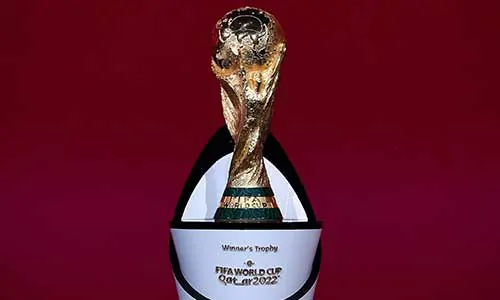
The year 2026 stands as one of the most monumental periods in modern sports history, driven primarily by the highly anticipated FIFA World Cup 2026. Governing bodies, national federations, clubs, and fans are closely aligning their schedules to accommodate a reorganized football calendar. This guide delivers a comprehensive breakdown of the key dates, international windows, and structural changes defining this historic year. From the expanded tournament format in North America to the mandatory release periods for elite players, managing the international match windows is a complex administrative puzzle that shapes the entire global football landscape.
To help supporters, analysts, and administrators stay informed, this comprehensive guide outlines the official FIFA international match windows for the entire year. We explore how these breaks influence club competitions, detail the exact structure of the upcoming summer tournament, and analyze the schedule adjustments required for the rest of the autumn fixtures.
Table of Contents
- Understanding the FIFA International Match Calendar
- Official Windows in the 2026 Football Calendar
- The Landmark Event: Inside the FIFA World Cup 2026
- The 48-Team Format Explained for the FIFA World Cup 2026
- Host Cities and Stadiums of the FIFA World Cup 2026
- Player Welfare and Rest Periods for the FIFA World Cup 2026
- How the 2026 Calendar Shapes Club Football Leagues
- Complete Schedule Breakdown: 2026 Key Windows
- Autumn 2026: Post-World Cup International Windows
- Frequently Asked Questions (FAQ)
Understanding the FIFA International Match Calendar
The FIFA International Match Calendar is a collaborative framework that coordinates global football schedules. It serves as a formal agreement between FIFA, the six continental football confederations (such as UEFA, CAF, CONMEBOL, CONCACAF, AFC, and OFC), the European Club Association (ECA), and player representative unions like FIFPro. Without this standardized system, the sport would suffer from persistent scheduling conflicts between domestic club leagues and international national team fixtures.
The primary mechanism of the calendar relies on designated periods, commonly referred to as “international breaks”. During these specific windows, domestic club leagues are required to pause their matches. Simultaneously, club organizations are legally obligated to release selected players to join their respective national teams. This regulatory structure ensures that country-level tournaments can feature top-tier talents without causing unfair disadvantages to clubs in their domestic campaigns.
Because 2026 is a tournament year, the schedule is structured around the premier event, the FIFA World Cup 2026. Consequently, the traditional windows have been heavily adjusted. Maintaining a balance between the requirements of domestic leagues, television broadcasters, and national teams requires meticulous planning and compromise. As we look at the specific months, the complexity of this planning becomes increasingly clear.
For official rules, schedules, and regulatory changes, you can refer directly to the Official FIFA Website.
Official Windows in the 2026 Football Calendar
The 2026 calendar features several key phases, each designed to serve a unique sporting purpose. These periods are divided into warm-ups, tournament stages, and qualifying windows. Below is a detailed look at how the year is systematically divided.
The March Window (March 23 – 31, 2026)
The first international break of the year is a standard nine-day window. During this time, national teams are permitted to play a maximum of two matches. This window is essential for teams finalizing their tactical approaches and evaluating squads prior to the summer rush. Additionally, this period hosted the second edition of the FIFA Series, providing invitational friendly fixtures for nations across different confederations.
The Preparation and Rest Window (May 25 – June 9, 2026)
This period is specifically modified to allow national teams adequate preparation time before the FIFA World Cup 2026 kicks off. It is split into two distinct sub-phases designed to protect player physical health:
- The Rest and Release Period (May 25 – 30, 2026): This phase ensures players enjoy a brief break after grueling club seasons. Major exceptions apply only to those participating in major continental club finals.
- The International Match Window (June 1 – 9, 2026): During these nine days, teams can play up to two official warm-up friendlies to establish chemistry and fitness.
The World Cup Window (June 11 – July 19, 2026)
The pinnacle of the year, the FIFA World Cup 2026, will consume this window. This historic 39-day block features no domestic club action globally, allowing fans and media to focus entirely on the games unfolding across North America.
The Double Window Block (September 21 – October 6, 2026)
In a major change to previous year structures, FIFA has combined the September and October windows into a single, extended 16-day block. This allows national teams to play up to four matches. By combining these windows, players encounter fewer long-distance flights, lowering fatigue and travel stress.
The November Window (November 9 – 17, 2026)
The final window of 2026 is a standard nine-day break. It accommodates a maximum of two matches, typically used for continental cup qualifiers or final international friendlies before the end of the calendar year.
The Landmark Event: Inside the FIFA World Cup 2026
The FIFA World Cup 2026 is poised to be the largest, most diverse, and most logistically ambitious edition of the tournament ever staged. For the first time, three nations—the United States, Mexico, and Canada—are co-hosting the competition. This joint hosting model offers an expansive geographical spread, creating an incredible celebration of the sport across the North American continent.
Furthermore, the physical scale of the tournament presents unique administrative demands. Managing team travel, time zone differences, and varied local climates requires precise planning. Organizers have had to restructure how groups are situated to keep teams in regional hubs, thereby avoiding unnecessary cross-continental travel during the early phases of the competition.
For historic perspective, you can review the evolution of this tournament format on the Wikipedia 2026 World Cup Overview.
The 48-Team Format Explained for the FIFA World Cup 2026
One of the major changes introduced for the FIFA World Cup 2026 is the expansion of the participant list from 32 to 48 national teams. This formatting shift, approved by the FIFA Council, moves away from the traditional format used in recent decades. Instead of eight groups of four, the competition now features 12 groups of four teams each.
This layout modifies the progression path as follows:
- Each team plays three group-stage matches.
- The top two teams from each of the 12 groups advance directly to the knockout phase.
- The eight best third-placed teams across all groups also secure progress.
- This total of 32 advancing teams enters a brand-new knockout round: the Round of 32.
Consequently, the total number of tournament matches rises from 64 to 104. Furthermore, the path to the trophy now requires surviving five knockout rounds instead of four, meaning the eventual finalists must play a total of eight matches.
Host Cities and Stadiums of the FIFA World Cup 2026
The 16 host venues selected for the FIFA World Cup 2026 showcase an impressive array of world-class sporting architecture. To minimize travel and maintain competitive fairness, FIFA has categorized these cities into three distinct geographical regions:
Western Region:
- Vancouver (BC Place)
- Seattle (Lumen Field)
- San Francisco Bay Area (Levi’s Stadium)
- Los Angeles (SoFi Stadium)
- Guadalajara (Estadio Akron)
Central Region:
- Kansas City (Arrowhead Stadium)
- Dallas (AT&T Stadium)
- Houston (NRG Stadium)
- Atlanta (Mercedes-Benz Stadium)
- Monterrey (Estadio BBVA)
- Mexico City (Estadio Azteca)
Eastern Region:
- Toronto (BMO Field)
- Boston (Gillette Stadium)
- New York / New Jersey (MetLife Stadium)
- Philadelphia (Lincoln Financial Field)
- Miami (Hard Rock Stadium)
The historic opening match takes place on June 11, 2026, at the legendary Estadio Azteca in Mexico City. The highly anticipated final match is scheduled to be played on July 19, 2026, at the New York New Jersey Stadium (MetLife Stadium) in East Rutherford.
Player Welfare and Rest Periods for the FIFA World Cup 2026
With the tournament expanding to 104 matches over 39 days, concerns over fatigue have dominated discussions surrounding the FIFA World Cup 2026. Elite footballers play a highly dense schedule for their club teams, and adding an extra fixture to the World Cup bracket could exacerbate physical exhaustion.
To address this, FIFA implemented a strict rest and release period starting on May 25, 2026. Clubs are required to release players to ensure they enjoy a physical break after their domestic club duties wrap up. Additionally, grouping group stage matches by regional hubs prevents teams from repeatedly crossing multiple time zones in the early weeks.
How the 2026 Calendar Shapes Club Football Leagues
The unique structure of the 2026 international calendar exerts considerable pressure on domestic club leagues, particularly in Europe. Leagues such as the English Premier League, Spain’s La Liga, and Italy’s Serie A have had to re-evaluate their typical scheduling patterns.
Because the preparation phase for the summer tournament begins in late May, the 2025/2026 club seasons had to conclude earlier than usual. To achieve this, domestic leagues were forced to compress their match schedules during the winter and spring months. This compression left minimal space for mid-week make-up fixtures, meaning squad rotation and depth became critical factors for club success.
Similarly, the start of the 2026/2027 season requires careful adjustments. With the World Cup concluding on July 19, players who reach the final rounds will require mandatory vacation time to recuperate. Consequently, domestic leagues must carefully schedule their opening matchdays in mid-to-late August, giving players sufficient pre-season preparation time and reducing the risk of early-season injuries.
Complete Schedule Breakdown: 2026 Key Windows
To summarize, the following table provides a clear breakdown of the essential windows constituting the 2026 international football calendar:
| Window / Event | Key Dates | Match Capacity | Core Objectives |
|---|---|---|---|
| March Window | March 23 – 31, 2026 | Max 2 Matches | Friendly fixtures, squad evaluations, and FIFA Series matches |
| Rest & Release Period | May 25 – 30, 2026 | No Matches | Mandatory physical recovery for players after club campaigns |
| Preparation Period | June 1 – 9, 2026 | Max 2 Matches | Official warm-up friendlies before the World Cup |
| FIFA World Cup 2026 | June 11 – July 19, 2026 | Up to 8 Matches | The premier international tournament, held across 16 host cities |
| Double Autumn Window | September 21 – Oct 6, 2026 | Max 4 Matches | Continental qualifiers and reduction of long-distance travel |
| November Window | November 9 – 17, 2026 | Max 2 Matches | Continental cup qualifiers and final matches of the year |
Autumn 2026: Post-World Cup International Windows
Following the conclusion of the FIFA World Cup 2026, international teams will quickly shift their attention to the next cycle of competitive play. The autumn windows are vital for restructuring national squads, introducing younger players, and commencing early qualification matches for regional tournaments like the UEFA European Championship or the CAF Africa Cup of Nations.
The introduction of the combined September-October double window is a highly functional shift in the calendar. By keeping players with their national squads for a continuous 16-day period, teams can play up to four matches without requiring players to make multiple round-trip flights across continents in consecutive months.
This streamlined approach offers major benefits to clubs as well. With fewer mid-season interruptions, managers can build consistent tactical rhythm during the critical opening months of domestic and continental club competitions. The November window then wraps up the year’s international responsibilities, returning players to their clubs for the intense winter schedules.
Frequently Asked Questions (FAQ)
When does the FIFA World Cup 2026 begin and end?
The tournament is scheduled to begin with the opening match on Thursday, June 11, 2026, and will conclude with the final on Sunday, July 19, 2026.
How many teams are participating in the FIFA World Cup 2026?
A record 48 national teams will participate, which is an increase of 16 teams from the previous 32-team format.
What is the layout of the group stage in the expanded format?
The 48 teams will be divided into 12 groups of four. The top two teams from each group, along with the eight best third-placed teams, will advance to the Round of 32 knockout stage.
Where will the opening and final matches of the tournament be played?
The opening match will take place at the Estadio Azteca in Mexico City, while the final will be played at the New York New Jersey Stadium (MetLife Stadium) in East Rutherford.
How does the 16-day international window in September/October 2026 work?
This combined window allows national teams to play up to four matches over a 16-day period, reducing the need for players to travel back and forth between their clubs and national teams multiple times in autumn.
Are clubs obligated to release players for the warm-up matches in June 2026?
Yes. The official player release period starts on May 25, 2026. This guarantees that national teams have access to their squads for both training camps and preparatory friendly matches.
Conclusion
The 2026 football year is a landmark period for global sport. Adapting to the new calendar demands flexibility from clubs, leagues, players, and fans. The structural adjustments, designed to protect player welfare while expanding the global reach of the game, present both challenges and exciting opportunities.
As we head toward the historic FIFA World Cup 2026, the excitement is palpable. How do you feel about the expanded format and its impact on player fatigue? Do you think the 48-team layout will lead to more competitive matches? Let us know your thoughts in the comments below, and share this guide with your fellow football fans!