Estadio Azteca and FIFA World Cup 2026: A Historic Stadium’s New Chapter
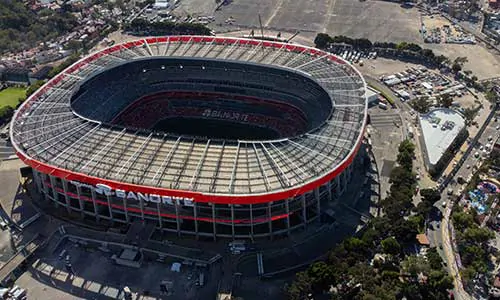
Few arenas in the global sporting landscape command as much reverence as the legendary Estadio Azteca in Mexico City. As the world gears up for the highly anticipated FIFA World Cup 2026, this iconic “Cathedral of Football” is preparing to open its doors to yet another historic chapter. In doing so, it will cement its status as an unparalleled monument to the beautiful game. On June 11, 2026, the eyes of the entire world will turn to Mexico City as this grand coliseum hosts the tournament’s opening match, featuring co-hosts Mexico taking on South Africa in a highly anticipated rematch of their iconic 2010 clash. This landmark event represents more than just a kickoff; it represents the rebirth of a legendary sports venue.
Consequently, the journey of Estadio Azteca toward the FIFA World Cup 2026 is a blend of rich heritage and futuristic modernization. For decades, the stadium has been the stage for football’s greatest artists, crowning legends like Pelé in 1970 and Diego Maradona in 1986. Now, undergoing its most comprehensive renovation to date, the stadium is balancing its historic soul with cutting-edge upgrades designed to meet modern international standards. In this article, we explore the stadium’s illustrious history, the monumental transformation it has undergone, its official tournament schedule, and what fans can expect from this historic venue.
Table of Contents
- The Legendary History of Estadio Azteca: Pelé and Maradona
- The Historic Milestone of the FIFA World Cup 2026 in Mexico
- The Modernization Project: Preparing for the FIFA World Cup 2026
- Sustainability and Pitch Upgrades for the FIFA World Cup 2026
- The Match Schedule: What to Expect at Estadio Azteca
- The Cultural Impact on Mexico City and Global Soccer Fans
- Frequently Asked Questions (FAQ)
- Conclusion: Embracing the Future of Football History
The Legendary History of Estadio Azteca: Pelé and Maradona
Inaugurated in 1966, the Estadio Azteca was designed by legendary architects Pedro Ramírez Vázquez and Rafael Mijares Alcérreca. From its inception, the stadium was built to be a coliseum of grand scale, rising like a concrete giant in the Santa Úrsula neighborhood of southern Mexico City. It quickly became the beating heart of Mexican football, serving as the home turf for Club América and the Mexican National Team. However, its global reputation was truly forged on the grandest stage of all: the World Cup.
In 1970, the stadium hosted the legendary Brazil squad that featured Pelé, Jairzinho, Tostão, and Rivellino. The tournament culminated in a spectacular final where Brazil defeated Italy 4-1, earning Pelé his third and final World Cup trophy in front of more than 100,000 ecstatic fans. Furthermore, that same tournament featured the “Game of the Century” in the semi-finals, a dramatic 4-3 extra-time victory by Italy over West Germany. A commemorative plaque on the stadium walls still honors that unforgettable match today.
Sixteen years later, in 1986, the world witnessed another genius define his legacy on the very same pitch. Argentina’s Diego Maradona captivated the globe with his performances at the Azteca, most notably in the quarter-final match against England. Within a span of minutes, Maradona scored both the controversial “Hand of God” goal and the spectacular “Goal of the Century,” where he slalomed through the entire English defense. Argentina went on to lift the trophy after defeating West Germany 3-2 in the final at the Azteca, firmly cementing the stadium as a true temple of football.
The Historic Milestone of the FIFA World Cup 2026 in Mexico
As the countdown to the summer tournament approaches, the upcoming FIFA World Cup 2026 is set to break records. For the first time, the tournament will feature an expanded format with 48 competing national teams instead of the traditional 32. Additionally, this monumental tournament will be jointly hosted by three nations: Canada, Mexico, and the United States, showcasing a historic levels of North American collaboration.
While the United States will host the majority of the knockout-stage matches, Mexico remains the emotional and historical epicenter of the tournament. In hosting matches for the FIFA World Cup 2026, Estadio Azteca becomes the first stadium in association football history to host three separate World Cup tournaments (1970, 1986, and 2026). It will also set an unprecedented record by hosting the opening ceremony and opening match for a third time.
Furthermore, this unique hosting role highlights Mexico’s enduring love affair with the sport. Alongside the Azteca, Mexico will utilize two other modern venues: Estadio Akron in Guadalajara and Estadio BBVA in Monterrey. However, the historic weight of Estadio Azteca provides the tournament with a profound sense of continuity, bridging the heroic past of the 20th century with the high-tech, globalized era of modern sport.
The Modernization Project: Preparing for the FIFA World Cup 2026
To meet the stringent requirements of a modern mega-event, the historic stadium had to undergo a massive overhaul. Maintaining its historic facade while modernizing its internal infrastructure was a delicate balancing act. With a budget estimated at over $180 million, the stadium was temporarily closed to allow workers to race against the clock. The primary objective was clear: transform the aging giant into a high-tech facility without losing its unique, intimidating atmosphere.
Consequently, the renovations touch almost every aspect of the venue. One of the most significant upgrades is the installation of advanced LED lighting systems. This technology not only reduces energy consumption but also meets the demanding high-definition broadcasting standards required for the FIFA World Cup 2026. In addition, the stadium has upgraded its audio capabilities with a state-of-the-art sound system featuring over 340 high-performance speakers distributed across the seating bowls.
Moreover, spectator comfort and premium experiences have been prioritized. The seating layout has been reconfigured, adjusting the total capacity to approximately 87,500 seats. This adjustment ensures better sightlines, enhanced safety corridors, and modern seating options for families and disabled fans. The media zones, press boxes, and executive hospitality suites have also been completely rebuilt to accommodate the thousands of journalists and VIP guests descending upon Mexico City.
In March 2026, FIFA President Gianni Infantino attended the official reopening of the modernized stadium, which was celebrated with a high-profile friendly match between Mexico and Portugal. The successful event demonstrated that the venue is fully prepared to welcome the global football community.
Sustainability and Pitch Upgrades for the FIFA World Cup 2026
Beyond cosmetic and structural improvements, a key focus of the FIFA World Cup 2026 preparation was the playing surface itself. In the past, the pitch at Estadio Azteca suffered from heavy wear and tear, compounded by Mexico City’s high altitude and intense summer rainy season. In 2018, a poorly timed transition to a hybrid pitch led to a highly publicized game cancellation, illustrating the critical need for a reliable surface.
Therefore, agricultural experts and engineers completely rebuilt the pitch infrastructure from the ground up. They installed a state-of-the-art natural grass surface equipped with an advanced underground drainage and vacuum aeration system. This modern system allows the turf to quickly channel away heavy downpours, ensuring the ball rolls consistently regardless of weather conditions.
In addition, sustainability played an important role in the stadium’s redesign. The venue now features rainwater harvesting systems designed to irrigate the pitch efficiently, alongside energy-saving waste management protocols. These changes align with FIFA’s commitment to making the tournament an environmentally responsible event.
The Match Schedule: What to Expect at Estadio Azteca
The officially released match schedule for the tournament reveals that Estadio Azteca will host a total of five matches. This includes three group-stage fixtures, one Round of 32 knockout match, and one highly anticipated Round of 16 encounter. This schedule guarantees that the historic stadium will remain central to the tournament’s drama from the opening day through the early knockout rounds.
Below is a detailed breakdown of the matches scheduled to take place at the Mexico City Stadium:
| Date | Stage | Matchup / Teams | Significance |
|---|---|---|---|
| June 11, 2026 | Group Stage (Group A) | Mexico vs. South Africa | Opening Match & Opening Ceremony |
| June 17, 2026 | Group Stage (Group K) | Uzbekistan vs. Colombia | Intriguing Intercontinental clash |
| June 24, 2026 | Group Stage (Group A) | Mexico vs. Czechia | Crucial final group match for Mexico |
| June 30, 2026 | Round of 32 | TBD vs. TBD | Win-or-go-home knockout battle |
| July 5, 2026 | Round of 16 | TBD vs. TBD | Decisive match for a Quarter-final spot |
The opening match on June 11 is poised to be an unforgettable global spectacle. Prior to kickoff, a spectacular opening ceremony produced in partnership with Balich Wonder Studio will take place. The ceremony will feature headline performances by four-time Grammy winner Shakira, along with the beloved Mexican rock group Maná and the popular musical ensemble Los Ángeles Azules. This musical and cultural display will set a festive tone, celebrating the unique heritage of Mexico City and the shared passion for football.
The Cultural Impact on Mexico City and Global Soccer Fans
Hosting the FIFA World Cup 2026 represents a massive economic and cultural boost for Mexico City. Originally founded in 1325 as the ancient Aztec city of Tenochtitlan, the Mexican capital is a beautiful metropolis rich in art, history, and culinary traditions. For visiting fans, traveling to Estadio Azteca is not just about the ninety minutes of play; it is an immersive cultural experience.
In addition to experiencing world-class football, travelers will have the opportunity to explore historic neighborhoods like Coyoacán, sample legendary street food such as tacos al pastor, and visit world-renowned museums. The neighborhood of Santa Úrsula, where the stadium stands, will transform into a vibrant carnival of international cultures, echoing with chants from fans around the globe.
Consequently, local businesses, hotels, and public transport systems are bracing for a surge of visitors. To ensure smooth travel, local authorities have upgraded transit links connecting the city center to the southern stadium district. The enduring warmth of Mexican hospitality, combined with the electric atmosphere of the newly renovated Estadio Azteca, will ensure that the tournament leaves a lasting legacy for years to come.
Frequently Asked Questions (FAQ)
1. What makes Estadio Azteca unique for the FIFA World Cup 2026?
Estadio Azteca is the first stadium in football history to host matches across three separate World Cups (1970, 1986, and 2026). It also holds the unique record of hosting the opening match and opening ceremony for a third time.
2. When is the opening match of the tournament at the stadium?
The opening match of the tournament is scheduled for Thursday, June 11, 2026, featuring co-hosts Mexico playing against South Africa.
3. Who is performing at the opening ceremony?
The pre-match opening ceremony will feature high-profile performances by pop icon Shakira, Mexican rock legends Maná, and musical group Los Ángeles Azules.
4. What is the updated capacity of Estadio Azteca for the matches?
Following extensive modernization and reconfiguration for fan safety and comfort, the stadium’s seating capacity is set at approximately 87,500.
5. What major upgrades were made during the recent renovations?
The renovations included state-of-the-art LED stadium lighting, a new sound system with over 340 speakers, modernized media and hospitality suites, updated player locker rooms, and a completely rebuilt natural grass pitch with advanced drainage.
6. How many total matches will the stadium host during the tournament?
Estadio Azteca is scheduled to host five matches: three group-stage fixtures, one Round of 32 match, and one Round of 16 knockout match.
Conclusion: Embracing the Future of Football History
The return of the world’s premier football tournament to Mexico City marks a poetic milestone in sporting history. Estadio Azteca stands as a physical archive of the game’s greatest achievements. Through its extensive modernization project, the stadium has successfully bridged its glorious history with the demands of the modern era, ensuring it remains a worthy stage for the next generation of legends.
As we count down to the kickoff of the FIFA World Cup 2026 on June 11, the stage is set for new memories, breathtaking goals, and global celebrations. Whether you are a traveling supporter exploring the vibrant streets of Mexico City or a viewer watching from afar, the Azteca is ready to deliver another unforgettable spectacle. Keep up with the latest updates by visiting the official FIFA website and prepare to witness history in the making. For comprehensive travel and local highlights, explore the official FIFA World Cup Mexico City host guide.