Easiest FIFA World Cup 2026 Host Cities to Travel Between
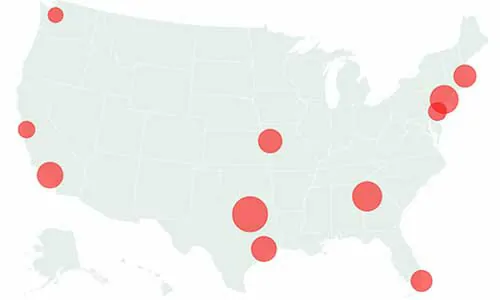
The upcoming FIFA World Cup 2026 marks a historic milestone in the world of sports. For the first time, 48 teams will compete across 104 matches, spread across three massive North American nations: the United States, Canada, and Mexico. While this expansion promises unprecedented excitement for football fans globally, it also presents a significant logistical challenge. Spanning thousands of miles, North America is vast, and navigating between distant venues can quickly become exhausting and expensive. Fortunately, strategically choosing specific clusters of host cities can make your tournament journey remarkably smooth and highly enjoyable.
By planning your itinerary around closely grouped host cities, you can experience multiple matches while keeping your transit times to a minimum. In this comprehensive travel guide, we analyze the easiest FIFA World Cup 2026 host cities to travel between. We break down the top regional clusters, highlight the most efficient modes of transportation, and offer practical transit advice to help you maximize your tournament adventure.
Table of Contents
- The Strategic Clusters of the FIFA World Cup 2026
- The Northeast Corridor: The Ultimate FIFA World Cup 2026 Hub
- The Pacific Northwest Route: Seattle and Vancouver
- The Texas Triangle: Dallas and Houston
- The California Corridor: Los Angeles and San Francisco
- Comparing Travel Times and Transit Modes
- Pro Tips for Navigating FIFA World Cup 2026 Transit
- Frequently Asked Questions About FIFA World Cup 2026 Travel
The Strategic Clusters of the FIFA World Cup 2026
To address the massive geographical distances between venues, FIFA organized the 16 host cities into three regional clusters: West, Central, and East. This decision was primarily aimed at streamlining team and fan logistics during the group stages. Consequently, players and spectators will spend less time in the air and more time focused on the matches.
However, not all cities within a single regional cluster are equally accessible from one another. For instance, traveling between Boston and Miami—both in the East region—still requires a three-hour flight. Therefore, smart fans are looking at smaller, localized “sub-clusters” that allow for fast, budget-friendly ground transit or exceptionally short flights during the FIFA World Cup 2026.
By focusing on these localized sub-clusters, you can easily attend games in different cities without experiencing severe jet lag or paying exorbitant airfares. Below, we explore the most seamless travel routes available for the tournament.
The Northeast Corridor: The Ultimate FIFA World Cup 2026 Hub
For fans seeking the absolute easiest travel experience, the Northeast Corridor of the United States is the clear winner. This region boasts three premier host cities positioned exceptionally close to each other: New York/New Jersey, Philadelphia, and Boston. What makes this cluster so unique is its highly integrated rail infrastructure, allowing you to completely bypass busy airport terminals.
New York/New Jersey to Philadelphia
This is arguably the easiest transit leg of the entire tournament. MetLife Stadium in East Rutherford, New Jersey, is located just a short distance from Manhattan, while Lincoln Financial Field is located in South Philadelphia. The two metropolitan areas are separated by only 95 miles.
Consequently, traveling between these cities is incredibly straightforward. By utilizing Amtrak’s Northeast Regional or Acela services, you can travel from downtown New York (Penn Station) to downtown Philadelphia (William H. Gray III 30th Street Station) in 1 hour and 10 minutes to 1 hour and 30 minutes. In addition, local commuter trains and regional buses offer even cheaper alternatives for budget-conscious backpackers.
Once you arrive in Philadelphia, getting to Lincoln Financial Field is simple. You can take the SEPTA Broad Street Line (Orange Line) directly south from Center City to NRG Station, dropping you right at the stadium gates. If you are heading to MetLife Stadium from New York, you can easily board the NJ Transit Meadowlands Rail Line from Secaucus Junction, which operates frequent shuttle trains on match days.
New York/New Jersey to Boston
Boston’s Gillette Stadium (located in Foxborough, Massachusetts) is another major venue in this eastern corridor. While Boston is slightly further north, the transit link to the New York metropolitan area remains highly efficient. The distance between the two regions is approximately 215 miles.
Traveling via Amtrak’s high-speed Acela train takes roughly 3 hours and 45 minutes, delivering you directly into Boston’s South Station or Back Bay Station. Furthermore, those looking to save money can utilize multiple hourly bus lines, which complete the journey in about 4.5 hours depending on highway traffic.
It is important to note that Gillette Stadium is located about 22 miles southwest of downtown Boston. To make transit easier for the FIFA World Cup 2026, the MBTA typically schedules special event commuter rail trains that transport fans directly from South Station and Back Bay Station to the stadium gates on game days, saving you from having to navigate heavy highway traffic.
The Pacific Northwest Route: Seattle and Vancouver
If you prefer cooler summer weather, stunning coastal views, and straightforward border-crossing opportunities, the Pacific Northwest cluster is an exceptional choice. This route connects Seattle (Lumen Field) in the United States with Vancouver (BC Place) in Canada. The two scenic cities are located roughly 140 miles apart.
Seamless Transit Options for the FIFA World Cup 2026 PNW Cities
Traveling between Seattle and Vancouver offers a variety of scenic and stress-free options. Here are the best ways to complete the trip:
- Amtrak Cascades Train: This highly rated train service runs directly from Seattle’s King Street Station to Vancouver’s Pacific Central Station. Taking approximately 4 hours, it offers comfortable seating, power outlets, free Wi-Fi, and beautiful views of the Puget Sound coastline.
- Driving (Interstate 5): A direct drive along I-5 takes about 2.5 to 3 hours. However, travelers should factor in border-crossing times at the Peace Arch or Pacific Highway entry points, which can experience delays during high-demand periods.
- Regional Flights: For those in a hurry, quick flights of roughly 40 to 50 minutes connect Seattle-Tacoma International Airport (SEA) with Vancouver International Airport (YVR) daily.
An incredible advantage of this cluster is stadium accessibility. Both Lumen Field in Seattle and BC Place in Vancouver are situated directly in or immediately adjacent to their respective downtown cores. Consequently, you can easily walk to the stadiums from centrally located hotels, or utilize highly efficient local light rail and SkyTrain systems without needing to rent a car.
The Texas Triangle: Dallas and Houston
The state of Texas is set to play a massive role in hosting matches, with Dallas (AT&T Stadium) and Houston (NRG Stadium) serving as central hubs. These two massive football markets are separated by approximately 240 miles of flat highway, making them an excellent pair for regional travel during the FIFA World Cup 2026.
Because these cities are highly connected, fans have several fast transit choices. Dozens of daily flights operate between the Dallas-Fort Worth metroplex (DFW and Love Field airports) and Houston (IAH and Hobby airports). The flight time is exceptionally short, usually taking under 1 hour from gate to gate.
Alternatively, driving along Interstate 45 is incredibly straightforward and takes roughly 3.5 to 4 hours. If you prefer to avoid both flying and driving, premium intercity bus services, such as Vonlane, operate luxury coaches with spacious seating, complimentary Wi-Fi, and onboard attendants, offering a highly comfortable downtown-to-downtown travel experience.
When planning match-day logistics, keep stadium locations in mind. Houston’s NRG Stadium is conveniently integrated into the city’s light rail system, meaning you can board the METRORail Red Line downtown and ride it directly to the stadium. In contrast, AT&T Stadium is located in Arlington, which lacks comprehensive municipal rail transit. Therefore, fans visiting Dallas should expect to rely on rideshares, rental cars, or pre-arranged private shuttle services to reach the venue.
The California Corridor: Los Angeles and San Francisco
For fans who want to combine world-class sports with a classic West Coast vacation, the California corridor linking Los Angeles (SoFi Stadium) and the San Francisco Bay Area (Levi’s Stadium) is highly appealing. These major cultural and economic centers are separated by about 350 miles.
While driving between the two regions via Interstate 5 takes approximately 5 to 6 hours, flying is by far the most efficient option. Hourly air shuttles run between the numerous airports in Southern California (LAX, Burbank, John Wayne) and the Bay Area (SFO, San Jose, Oakland), with a flight time of just 1 hour and 15 minutes. This high frequency makes it easy to commute between regions on short notice.
Upon arrival, navigating local stadium transit requires a bit of planning. Levi’s Stadium is located in Santa Clara, roughly 45 miles south of San Francisco. Fortunately, it is highly accessible via public transit; fans can ride the Caltrain commuter rail to Mountain View or Santa Clara and transfer directly to the VTA Light Rail, which stops right in front of the stadium gates. SoFi Stadium, located in Inglewood, is best reached via dedicated shuttle buses departing from nearby LA Metro stations (such as the C Line or K Line) on tournament days.
Comparing Travel Times and Transit Modes
To help you choose the best route for your itinerary, the table below compares the key travel metrics between the primary FIFA World Cup 2026 regional clusters:
| Route | Distance | Primary Transit Mode | Est. Travel Time | Convenience Rating |
|---|---|---|---|---|
| New York/NJ to Philadelphia | 95 miles | Amtrak Train | 1h 15m | 10/10 |
| Seattle to Vancouver | 140 miles | Train / Drive | 3h to 4h | 9/10 |
| New York/NJ to Boston | 215 miles | Amtrak Train / Bus | 3h 45m | 8.5/10 |
| Dallas to Houston | 240 miles | Flight / Drive / Bus | 1h (flight) / 3.5h (drive) | 8/10 |
| Los Angeles to San Francisco Bay Area | 350 miles | Flight | 1h 15m (flight) | 7.5/10 |
Pro Tips for Navigating FIFA World Cup 2026 Transit
Navigating travel during the largest sporting event in history requires foresight. To ensure a smooth journey, consider these highly practical travel tips:
- Book Rail and Air Travel Early: Demand for trains and flights between host cities will rise dramatically during June and July. Securing your tickets months in advance is essential to avoid surge pricing and sold-out schedules.
- Secure a Regional eSIM: Because matches are spread across the US, Canada, and Mexico, ensure you have a cellular data plan that covers multiple countries without expensive roaming fees. This will keep you connected to navigation apps, transit updates, and rideshare services.
- Understand Stadium Names vs. Actual Locations: Some stadiums are located outside of the main city center. For instance, San Francisco matches are played in Santa Clara, Boston matches are in Foxborough, and Dallas matches are in Arlington. Always research local transit lines directly to the stadium gate before booking your accommodation.
- Prepare for Border Crossings: If you are traveling between Seattle and Vancouver, or Monterrey and Texas, cross-border queues can build up quickly. Allocate several extra hours on match days to clear customs without stress.
- Check Official Updates: Keep an eye on the official FIFA website for real-time announcements regarding stadium transportation, park-and-ride options, and special tournament shuttle routes.
Frequently Asked Questions About FIFA World Cup 2026 Travel
What are the absolute easiest FIFA World Cup 2026 host cities to travel between?
The Northeast Corridor cities of New York/New Jersey, Philadelphia, and Boston are the easiest host cities to travel between. They are connected by a highly reliable, frequent rail network that operates directly between downtown stations, allowing you to completely bypass airports.
Can I travel by train between FIFA World Cup 2026 stadiums?
Yes, train travel is highly practical for specific city pairs. You can use Amtrak to travel between Boston, New York, and Philadelphia, or use the Amtrak Cascades service to travel between Seattle and Vancouver. For most other host cities, flights or rental cars will be required.
How long does it take to travel between Seattle and Vancouver?
Driving between Seattle and Vancouver takes approximately 2.5 to 3 hours, depending on traffic and border-crossing wait times. Alternatively, the scenic Amtrak Cascades train connects the two downtown areas in roughly 4 hours.
Do I need a visa to travel between the US, Canada, and Mexico during the tournament?
Visa requirements depend heavily on your nationality. While some fans may travel between the three co-hosting countries seamlessly, others will need specific visas or electronic travel authorizations (such as an ESTA for the US or an eTA for Canada). Always verify current entry requirements well before your trip.
What is the most budget-friendly way to travel between East Coast host cities?
The most budget-friendly transit options are regional bus services (such as Greyhound, Megabus, or FlixBus) and local commuter trains. Booking regional Amtrak tickets far in advance can also yield exceptionally competitive rates while saving you time.
Are there high-speed trains connecting Dallas and Houston?
While a high-speed rail line between Dallas and Houston has been proposed, it will not be operational for the tournament. Fans traveling between these two Texas hubs should plan to drive, book a short flight, or use premium intercity motorcoaches like Vonlane.
Conclusion
Navigating a continent-wide tournament does not have to be overwhelming. By aligning your match tickets and travel itinerary with accessible geographical clusters—such as the Northeast Corridor or the Pacific Northwest—you can spend less time worrying about logistics and more time enjoying world-class football. Each of these clusters offers unique advantages, from the car-free convenience of the East Coast train network to the scenic coastal beauty of the Pacific Northwest.
As the countdown to the FIFA World Cup 2026 continues, the most important step you can take is planning ahead. Start mapping out your routes, booking your train tickets, and securing your accommodations early to guarantee a seamless, stress-free tournament experience. Secure your transit plans today, and get ready to be part of sports history!