Comparing FIFA World Cup 2026 Stadiums: Facilities, Capacity and Fan Experience
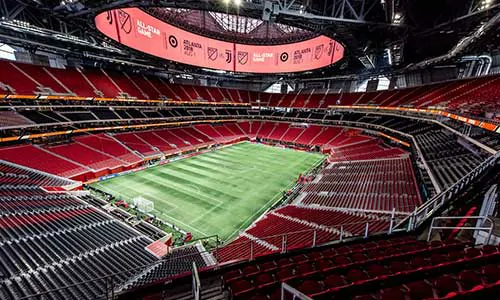
With the kickoff just days away, anticipation for the FIFA World Cup 2026 is reaching a fever pitch across North America. For the first time in football history, three nations—the United States, Mexico, and Canada—will co-host the tournament. This massive expansion welcomes 48 competing nations across 104 thrilling fixtures. A tournament of this scale demands a roster of venues that are not only vast but also equipped with cutting-edge technology and premium comfort.
To prepare you for this historic event, we have put together a comprehensive comparison of the 16 host stadiums. In this guide, we analyze seating capacities, world-class facilities, and the overall spectator experience. Whether you are planning a trip to the matches or keeping track of the action from home, understanding these architectural landmarks will enhance your appreciation of the beautiful game.
Table of Contents
- The Evolution of Stadiums for the FIFA World Cup 2026
- A Regional Breakdown of the Host Venues
- Comparing Seating Capacity and Structural Designs
- State-of-the-Art Facilities and Pitch Modernization
- The Ultimate Guide to the Fan Experience
- Comprehensive Stadium Comparison Table
- Conclusion: Embracing the Spectacle
- Frequently Asked Questions
The Evolution of Stadiums for the FIFA World Cup 2026
Modern sports architecture has shifted from basic concrete bowls to multi-functional entertainment hubs. Consequently, the venues chosen for the FIFA World Cup 2026 represent some of the most technologically advanced and environmentally conscious arenas ever built. Hosting a tournament of this magnitude requires strict adherence to FIFA’s stringent stadium guidelines, including minimum seating capacities, media facilities, and premium hospitality spaces.
Moreover, the multi-national bid has brought a diverse mix of stadium styles. On one hand, you have the ultra-modern, high-tech marvels of the United States. On the other hand, you have the historic and emotionally charged coliseums of Mexico, paired with Canada’s highly accessible urban structures. To accommodate soccer matches, many of these arenas—originally built for American football or Canadian football—have undergone massive turf transformations, replacing artificial turf with advanced natural grass systems.
Crucially, accessibility and ecological footprint have also been central to the design updates. Many of these structures have integrated renewable energy sources, energy-efficient LED lighting, and greywater recycling systems, setting a new benchmark for sustainable sports event management on a global scale.
A Regional Breakdown of the Host Venues
To truly understand how these locations differ, it is helpful to look at them through a regional lens. The 16 host cities are divided across the Western, Central, and Eastern regions of North America, crossing four distinct time zones.
High-Tech United States Venues Hosting the FIFA World Cup 2026
The United States boasts 11 of the 16 host venues, most of which are home to National Football League (NFL) franchises. These stadiums are renowned for their massive sizes, retractable roofs, and eye-popping visual elements. For instance, SoFi Stadium in Los Angeles and AT&T Stadium in Dallas represent the absolute pinnacle of luxury sports infrastructure.
Meanwhile, the East Coast features venues like MetLife Stadium in New York/New Jersey, which has been selected to host the highly anticipated final on July 19, 2026. These locations combine massive seating configurations with unparalleled corporate hospitality. In the South, Atlanta’s Mercedes-Benz Stadium is famous for its unique pinwheel-style retractable roof and fan-friendly concessions pricing, proving that luxury and affordability can coexist in modern sports.
Historic Mexican Arenas in the FIFA World Cup 2026
Mexico brings a profound sense of footballing heritage and passion to the tournament. Leading the way is the legendary Estadio Azteca in Mexico City. By hosting the opening match of the tournament on June 11, 2026, Azteca becomes the first venue in history to host matches in three separate editions of the tournament (1970, 1986, and 2026). This historic coliseum has welcomed giants like Pelé and Diego Maradona, and its atmosphere remains unmatched.
In addition to the Azteca, Mexico features two highly modern venues. Estadio Akron in Guadalajara (known as Guadalajara Stadium for the tournament) stands out due to its distinctive volcano-inspired grass slope exterior. Meanwhile, Monterrey’s Estadio BBVA ( Monterrey Stadium) offers fans one of the most scenic views in world football, with the majestic Cerro de la Silla mountain looming directly behind the open-ended stands.
Pioneering Canadian Stadiums of the FIFA World Cup 2026
Canada is hosting the men’s tournament for the first time in its history, bringing two highly urban and passionate cities to the global stage. Vancouver’s BC Place is a marvel of West Coast engineering, featuring a cable-supported retractable roof and a beautiful location along the False Creek waterfront. It offers excellent mass transit connectivity and a vibrant municipal atmosphere.
On the Eastern side, Toronto’s BMO Field (referred to as Toronto Stadium) provides a more intimate setting. To meet FIFA’s minimum capacity requirements, the stadium underwent a temporary seating expansion, increasing its capacity to over 44,000 seats. Located steps away from downtown Toronto, this stadium hosted the first-ever men’s World Cup match on Canadian soil, bringing an incredibly loud, close-to-the-pitch fan experience that larger venues sometimes struggle to replicate.
Comparing Seating Capacity and Structural Designs
Seating capacity is a critical metric because it dictates both ticket availability and the sheer volume of sound generated during a match. When comparing the venues, we see a wide range of sizes, from intimate 44,000-seat arenas to gargantuan 80,000-plus-seat coliseums.
The largest stadiums in the tournament are located in New York/New Jersey, Dallas, and Mexico City. MetLife Stadium and Estadio Azteca both comfortably seat over 82,000 spectators. Sitting in the upper tiers of these giant structures offers a breathtaking perspective of the pitch, though the distance from the action can feel immense. Conversely, the design of stadiums like AT&T Stadium utilizes steep seating bowls, bringing the fans closer to the touchline despite the vast size of the building.
Furthermore, structural designs play a massive role in weather mitigation. Venues like NRG Stadium in Houston, SoFi Stadium in Los Angeles, and BC Place in Vancouver feature retractable or fixed translucent roofs. Consequently, matches played in hot, humid climates or rainy coastal areas can proceed in climate-controlled comfort, ensuring that players perform at their best and fans remain dry and comfortable.
State-of-the-Art Facilities and Pitch Modernization
Behind the scenes, millions of dollars have been spent to upgrade facilities for players, media, and fans alike. One of the most significant undertakings for the FIFA World Cup 2026 has been pitch modernization. Many North American venues utilize artificial turf for domestic league play. However, FIFA strictly mandates natural grass for World Cup matches.
To comply, stadiums have installed state-of-the-art turf management systems. These systems include sub-air heating and cooling systems, specialized vacuum ventilation to control moisture, and advanced grow lights to keep the grass healthy in covered structures. These investments ensure a consistent, safe, and fast playing surface across all host cities.
For the average fan, the facilities upgrades are equally impressive. Here are some of the standout technological additions:
- Ultra-HD Video Boards: SoFi Stadium features the double-sided, oval-shaped “Infinity Screen,” suspended directly over the field, while AT&T Stadium boasts a colossal 175-foot-wide center-hung screen.
- Advanced Wi-Fi 6E Connectivity: Venues have overhauled their wireless networks to allow tens of thousands of fans to stream video, access digital tickets, and share their experiences simultaneously without lag.
- Modernized Concourse Layouts: Widened concourses, contactless self-checkout food stands, and massive draft beer walls have been implemented to drastically reduce queuing times during halftime.
The Ultimate Guide to the Fan Experience
The fan experience is shaped by far more than just what happens during the 90 minutes of play. It encompasses accessibility, pre-match entertainment, local culture, and ease of transit. FIFA and the host committees have worked tirelessly to integrate stadiums with their respective host cities.
For instance, municipal transport has been a major focus. In highly dense areas like Vancouver, Toronto, and Seattle, stadiums are situated right in or near the city centers, allowing fans to walk directly from downtown hotels or take efficient light rail systems. On the other hand, suburban stadiums like Gillette Stadium in Boston or AT&T Stadium in Dallas rely more heavily on shuttle systems, park-and-ride schemes, and dedicated ride-sharing zones. As a result, planning your transportation early is vital to avoiding gridlock on match days.
Additionally, the introduction of the official FIFA Fan Festivals across 13 host cities ensures that fans without match tickets can still participate in the carnival-like atmosphere. Sites like the LA Memorial Coliseum in Los Angeles and the National WWI Museum and Memorial in Kansas City feature giant screens, live music, diverse food stalls, and interactive games, creating memories that extend far beyond the stadium walls.
Lastly, inclusivity is a hallmark of this tournament. Venues are equipped with sensory rooms for fans with neurodivergent needs, alongside the widespread deployment of Audio Descriptive Commentary (ADC) via dedicated mobile apps. This ensures that partially sighted and blind fans can fully immerse themselves in the match-day action.
Comprehensive Stadium Comparison Table
To help you quickly compare the main venues, the table below outlines key details for some of the most notable stadiums hosting matches throughout the tournament:
| Stadium Name | Host City | Official Capacity | Standout Feature |
|---|---|---|---|
| MetLife Stadium | New York / New Jersey | ~82,500 | Hosting the grand final; massive seating bowl. |
| Estadio Azteca | Mexico City | ~83,000 | Opening match host; historic 3-time World Cup venue. |
| AT&T Stadium | Dallas | ~70,122 | Colossal suspended video board; retractable roof. |
| SoFi Stadium | Los Angeles | ~70,000 | Infinity Screen; indoor-outdoor futuristic design. |
| BC Place | Vancouver | ~48,821 | Retractable cable roof; scenic downtown waterfront. |
| BMO Field | Toronto | ~44,315 | Intimate setting; temporary expanded seating tiers. |
Conclusion: Embracing the Spectacle of the FIFA World Cup 2026
Ultimately, the FIFA World Cup 2026 stadiums represent much more than just physical locations where matches are played. They are the structural pillars of a tournament designed to unite three massive nations under the banner of sport. From the deep cultural history of Estadio Azteca to the breathtaking, high-tech engineering of SoFi Stadium and the warm, community-driven charm of Toronto’s BMO Field, each venue offers something unique to traveling supporters.
As the countdown ticks away and the tournament kicks off, these arenas are ready to welcome the world. If you want to learn more about localized travel tips, public transport schedules, or city-by-city safety advice, be sure to visit the official municipal guide on the City of Seattle portal or check out your respective host city’s regional hub. Get ready to witness history in the making!
Frequently Asked Questions About the FIFA World Cup 2026 Stadiums
Q1: Which stadium is hosting the opening match of the FIFA World Cup 2026?
A1: The opening match will be held at the historic Estadio Azteca (Mexico City Stadium) on June 11, 2026, featuring Mexico taking on South Africa. This makes Estadio Azteca the first stadium in history to host matches in three separate World Cups.
Q2: Where will the final match of the FIFA World Cup 2026 be played?
A2: The grand final of the tournament will take place at MetLife Stadium (referred to as New York/New Jersey Stadium) in East Rutherford, New Jersey, on July 19, 2026.
Q3: How are host cities preparing pitches that usually feature artificial turf?
A3: To meet FIFA’s strict requirements, stadiums with artificial turf have temporary, state-of-the-art natural grass systems installed. These setups feature sophisticated sub-air climate and vacuum technology to keep the turf in pristine playing condition.
Q4: What is the average seating capacity of the venues?
A4: Seating capacities for the tournament generally range from approximately 44,000 at BMO Field (Toronto Stadium) up to over 82,000 at larger venues like MetLife Stadium and Estadio Azteca.
Q5: Will fans without tickets be able to join the celebrations?
A5: Yes! FIFA and the local organizing committees are hosting official FIFA Fan Festivals in cities across Canada, Mexico, and the United States. These festivals offer free admission, giant match screens, food stalls, and live music.
Q6: Are there specific accessibility facilities for disabled fans?
A6: Absolutely. Every stadium features extensive wheelchair-accessible seating, modern sensory rooms for neurodivergent visitors, and free Audio Descriptive Commentary (ADC) broadcasts accessible through the official FIFA app on mobile devices.