Best FIFA World Cup 2026 Host Cities Ranked for Football Fans
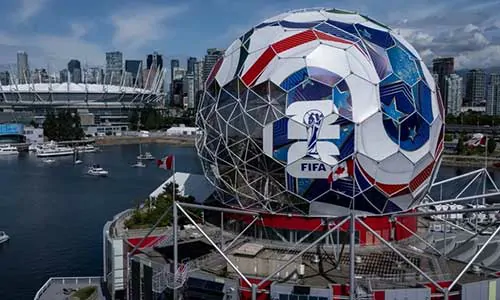
The countdown has officially begun for the highly anticipated FIFA World Cup 2026. For the first time in history, three nations—the United States, Canada, and Mexico—will joint-host the biggest sporting spectacle on Earth. With 48 teams competing across 104 matches, this iteration of the tournament will offer unprecedented drama, diversity, and cultural exchange across 16 iconic host cities.
As the tournament expands to 48 teams, the FIFA World Cup 2026 promises to be the largest and most geographically diverse tournament to date. Consequently, traveling supporters face a major challenge: choosing the right cities to visit. Not all host destinations are created equal when it comes to local transit, walkability, budget-friendliness, and sheer footballing atmosphere.
To help you navigate this massive tournament, we have evaluated and ranked the best FIFA World Cup 2026 host cities based on several critical criteria. Read on to discover which destinations will provide the ultimate matchday experience for international and local football fans alike.
Table of Contents
- Our Ranking Criteria: What Makes a Great Host City?
- The Top 10 FIFA World Cup 2026 Host Cities Ranked
- 1. Vancouver, Canada (BC Place)
- 2. Mexico City, Mexico (Estadio Azteca)
- 3. Seattle, USA (Lumen Field)
- 4. Toronto, Canada (BMO Field)
- 5. New York/New Jersey, USA (MetLife Stadium)
- 6. Atlanta, USA (Mercedes-Benz Stadium)
- 7. Los Angeles, USA (SoFi Stadium)
- 8. Monterrey, Mexico (Estadio BBVA)
- 9. Dallas, USA (AT&T Stadium)
- 10. Miami, USA (Hard Rock Stadium)
- Comparing the Best FIFA World Cup 2026 Host Cities
- Essential Travel Tips for the FIFA World Cup 2026
- Frequently Asked Questions (FAQ)
Our Ranking Criteria: What Makes a Great Host City?
To provide an objective ranking for passionate fans, we evaluated the host cities using a robust, fan-first framework. We call this the ARENA framework, focusing on five critical pillars of the matchday travel experience.
- Atmosphere: The density of local soccer culture, historic passion, and the vibrancy of public fan zones on matchday.
- Resources: The availability and convenience of public transport, hotel density, and walkability of the city.
- Engagement: How deeply the local community wraps around the tournament, creating a welcoming city-wide buzz.
- Novelty: Unique local attractions, iconic scenery, and the distinctive character of the host venue.
- Affordability: The realistic cost of dining, local transit, accommodation, and the local currency exchange rates.
By assessing these variables, we can differentiate between cities that look great on a marketing brochure and those that truly deliver on the ground. For example, some massive cities feature ultra-modern stadiums but suffer from brutal traffic congestion and astronomical hotel pricing. On the other hand, mid-sized cities with integrated light rail systems can offer a highly superior, stress-free experience for traveling supporters.
The Top 10 FIFA World Cup 2026 Host Cities Ranked
While all 16 host cities have worked hard to prepare for the tournament, a select few stand out as absolute must-visits. Here is our detailed ranking of the top 10 cities for football fans.
1. Vancouver, Canada (BC Place)
Taking the crown jewel spot of the FIFA World Cup 2026 is Vancouver. This West Coast Canadian gem is a dream destination for traveling supporters. BC Place is situated directly in the heart of downtown, meaning you do not need to rely on expensive car rentals or ride-shares. Furthermore, the stadium is fully integrated into the city’s outstanding SkyTrain rapid transit network, allowing fans to travel seamlessly from Vancouver International Airport (YVR) directly to the stadium gate using the Canada Line.
In addition, Vancouver’s mild summer weather is perfect for outdoor celebration. Supporters can enjoy beachfront fan parks, scenic views of the Pacific Ocean, and the historic streets of Gastown. To plan your off-pitch itinerary in our top-ranked destination, explore the resources on Destination Vancouver.
- Stadium: BC Place (Capacity: 54,000+)
- Top Perks: Perfect walkability, downtown stadium location, mild summer climate, and a favorable exchange rate for international fans.
- Insider Tip: Purchase a Compass Card for unlimited daily transit rides, and walk along the False Creek seawall to reach the stadium on matchday.
2. Mexico City, Mexico (Estadio Azteca)
For purists of the beautiful game, Mexico City offers the ultimate historic pilgrimage. Estadio Azteca is legendary, having hosted two iconic World Cup finals in 1970 and 1986. Consequently, this makes Mexico City a deeply passionate and culturally rich host city. The stadium has undergone extensive modernizations, ensuring a world-class fan experience while preserving its historic soul.
On matchday, the city transforms into an ocean of green jerseys, street food vendors serving tacos al pastor, and mariachi music. Public transport via the Metro and Light Rail connects downtown to the stadium area. However, fans should prepare for high summer temperatures and the city’s high elevation of over 2,200 meters, which can be physically demanding.
- Stadium: Estadio Azteca (Capacity: 83,000+)
- Top Perks: Legendary football heritage, incredible culinary scene, and unmatched fan passion.
- Insider Tip: Use the Metrobus and the integrated metro card for swift transit, and always arrive early to enjoy the incredible street tailgating.
3. Seattle, USA (Lumen Field)
Seattle features one of the most passionate soccer communities in the United States. Lumen Field is famous for its acoustic architecture, designed to trap sound and create one of the loudest venues of the FIFA World Cup 2026. Furthermore, the stadium is highly walkable and sits immediately south of downtown Seattle and the historic Pioneer Square neighborhood, which will serve as the hub for pre-match festivities.
Consequently, fans can easily access the stadium using Seattle’s Link Light Rail system, which links the airport, downtown, and the stadium district. Moreover, the city’s rich coffee culture, thriving music scene, and iconic landmarks like Pike Place Market make it an exceptionally fun city to explore between matches.
- Stadium: Lumen Field (Capacity: 69,000+)
- Top Perks: Unbeatable fan noise, excellent transit infrastructure, and vibrant downtown pre-match areas.
- Insider Tip: Get an ORCA card for easy public transport, and spend your morning exploring the waterfront before walking to the stadium.
4. Toronto, Canada (BMO Field)
Toronto is Canada’s premier multicultural metropolis, making it a vibrant hub during the FIFA World Cup 2026. Toronto Stadium (BMO Field) has been temporarily expanded to meet FIFA’s capacity requirements. Located at Exhibition Place, the stadium is situated right on the banks of Lake Ontario, offering a scenic and relaxed setting for matches.
Transit access is straightforward, with the TTC streetcars and the GO Transit train system dropping fans off right at the stadium’s doorstep. Therefore, supporters can avoid the hassle of driving. Furthermore, Toronto’s immense ethnic diversity means you will find passionate fan pockets from every single competing country, creating a true festival-of-nations vibe throughout the city’s bars and neighborhoods.
- Stadium: Toronto Stadium (Capacity: 45,000+)
- Top Perks: Highly diverse neighborhoods, easy downtown rail connections, and fantastic dining.
- Insider Tip: Use the GO Train from Union Station for the fastest, most reliable ride directly to the Exhibition station.
5. New York/New Jersey, USA (MetLife Stadium)
As the designated host of the final match of the FIFA World Cup 2026, the New York/New Jersey region will be the absolute epicenter of the global footballing universe. MetLife Stadium, located in East Rutherford, New Jersey, is a massive venue capable of holding over 82,000 fans. The region offers limitless entertainment, world-famous sights, and Michelin-starred dining.
However, transit is a double-edged sword. While New York City boasts an elite subway system, MetLife Stadium itself is located across the Hudson River. Supporters must rely on NJ Transit trains from Penn Station to Secaucus Junction, transferring to the stadium line. This process can lead to long wait times after matches. Consequently, planning extra travel time is critical.
- Stadium: MetLife Stadium (Capacity: 82,500+)
- Top Perks: Hosting the final match, unmatched global diversity, and endless tourist attractions.
- Insider Tip: Book your New Jersey-bound train tickets via the NJ Transit app well in advance of matchday to bypass station queues.
6. Atlanta, USA (Mercedes-Benz Stadium)
Atlanta has emerged as a powerhouse of modern soccer culture in North America. Mercedes-Benz Stadium is an ultra-modern showcase of the FIFA World Cup 2026, featuring a breathtaking retractable roof and a massive circular halo board. The stadium is located right in downtown Atlanta, and is highly accessible via the MARTA rail system.
Furthermore, Atlanta’s stadium is famous for its fan-friendly concession pricing, offering cheap food options like hot dogs, pretzels, and sodas. In addition, the surrounding Centennial Olympic Park will act as a major fan zone hub, creating a lively, centralized pre-match ecosystem for fans of all ages.
- Stadium: Mercedes-Benz Stadium (Capacity: 71,000+)
- Top Perks: Affordable stadium food, state-of-the-art venue, and direct MARTA rail access.
- Insider Tip: Stay in the Downtown or Midtown neighborhoods to easily walk or take a short train ride to the matches.
7. Los Angeles, USA (SoFi Stadium)
Los Angeles is no stranger to major sports spectacles, having hosted the 1994 World Cup Final. For 2026, the spectacular events surrounding the FIFA World Cup 2026 in LA will be hosted at SoFi Stadium in Inglewood. This architectural wonder features a massive double-sided video board and an indoor-outdoor open-air design that takes full advantage of the California sunshine.
In contrast to its cutting-edge design, transportation is a major hurdle. Los Angeles is a notoriously car-centric city, and SoFi Stadium lacks a direct, high-capacity rail station. Consequently, fans must navigate heavy highway traffic or rely on park-and-ride shuttle buses from nearby Metro stations. Furthermore, accommodation and dining costs are among the highest in North America.
- Stadium: SoFi Stadium (Capacity: 70,000+)
- Top Perks: Arguably the most beautiful and futuristic stadium on earth, combined with famous beaches.
- Insider Tip: Use the official Metro shuttle buses running from the Hawthorne/Lennox station to avoid brutal rideshare surge pricing.
8. Monterrey, Mexico (Estadio BBVA)
Monterrey’s Estadio BBVA offers what is universally considered one of the most scenic backdrops of the FIFA World Cup 2026. From the open stands, fans can look directly out at the majestic Cerro de la Silla mountain. Monterrey is a thriving industrial hub with a deep-seated passion for football, divided between its two massive local clubs, Tigres and Rayados.
Consequently, the atmosphere on matchday is electric. The stadium is relatively modern and features great sightlines. However, summer temperatures in Monterrey can easily surpass 40°C (104°F). Therefore, staying hydrated and seeking shade is incredibly important for visiting fans.
- Stadium: Estadio BBVA (Capacity: 53,500+)
- Top Perks: Breathtaking mountain views and an incredibly intense, authentic local football atmosphere.
- Insider Tip: Try the local culinary specialty, “cabrito” (roast goat), and make sure to buy bottled water before heading to the stadium.
9. Dallas, USA (AT&T Stadium)
Dallas will host a massive slate of nine games during the FIFA World Cup 2026, including a high-stakes semi-final. AT&T Stadium in Arlington is legendary for its scale, featuring a massive high-definition video screen suspended over the field. Because of its climate-controlled indoor dome, supporters can escape the intense Texas summer heat.
On the other hand, the stadium’s suburban location in Arlington presents logistical hurdles. There is no public rail transit connecting Dallas or Fort Worth to Arlington. Consequently, fans are forced to rely on expensive taxi rides, rideshares, or rental cars, which leads to gridlocked highways around the venue on matchdays.
- Stadium: AT&T Stadium (Capacity: 80,000+)
- Top Perks: Massive capacity, climate-controlled comfort, and hosting a semi-final match.
- Insider Tip: Consider booking accommodation in Arlington near the entertainment district to walk to the stadium and avoid transit nightmares.
10. Miami, USA (Hard Rock Stadium)
Miami is an exciting gateway for the FIFA World Cup 2026. Known for its glamorous beaches, Latin-infused nightlife, and booming soccer popularity, the city offers a fantastic atmosphere for international tourists. Hard Rock Stadium features a canopy roof that shades most spectators from the intense Florida sun and sudden rain showers.
Nonetheless, the stadium is situated in Miami Gardens, quite a distance from the famous South Beach and downtown areas. Consequently, traffic is heavy and rideshares are expensive. Additionally, hot and humid summer weather means fans should plan for late-afternoon and evening matches to stay comfortable.
- Stadium: Hard Rock Stadium (Capacity: 64,000+)
- Top Perks: Vibrant international vibe, great nightlife, and a roof canopy protecting fans from the rain.
- Insider Tip: Check out the Brightline high-speed train, which offers convenient connections to Aventura Station, followed by local shuttle buses to the stadium.
Comparing the Best FIFA World Cup 2026 Host Cities
To help you choose your ideal hub, the table below compares the key attributes of our top 10 ranked host cities. This can help you weigh travel ease against stadium capacity and local atmosphere.
| Rank | Host City | Stadium Name | Public Transit Quality | Walkability Score | Primary Highlight |
|---|---|---|---|---|---|
| 1 | Vancouver | BC Place | Excellent (SkyTrain) | Elite | Downtown stadium, mild weather |
| 2 | Mexico City | Estadio Azteca | Good (Metro/Light Rail) | Moderate | Unmatched football heritage |
| 3 | Seattle | Lumen Field | Very Good (Light Rail) | High | Loudest stadium, fan culture |
| 4 | Toronto | Toronto Stadium | Good (TTC/GO Transit) | High | Lakeside venue, diversity |
| 5 | New York/NJ | MetLife Stadium | Moderate (NJ Transit train) | Low | Host of the final match |
| 6 | Atlanta | Mercedes-Benz Stadium | Excellent (MARTA Rail) | Moderate | Futuristic arena, cheap food |
| 7 | Los Angeles | SoFi Stadium | Poor (Shuttle Bus only) | Low | Stunning architecture, Hollywood vibe |
| 8 | Monterrey | Estadio BBVA | Moderate (Metro/Bus) | Low | Scenic mountain backdrop |
| 9 | Dallas | AT&T Stadium | None (Car/Rideshare only) | Low | Massive screen, semi-final host |
| 10 | Miami | Hard Rock Stadium | Moderate (Shuttles/Trains) | Low | Beaches, vibrant nightlife |
Analyzing this comparison shows that Canada and the US Pacific Northwest offer the most balanced travel logistics, making them crucial tools for anyone planning their trip for the FIFA World Cup 2026. Conversely, the massive NFL stadiums in suburban US locations boast the highest capacities but require thorough transportation planning.
Essential Travel Tips for the FIFA World Cup 2026
Traveling across North America for a major sports event requires a distinct logistical approach compared to previous tournaments in Europe or Qatar. Here are key strategies for seamlessly navigating the cross-border logistics of the FIFA World Cup 2026.
- Understand Visa and Border Rules: Because matches are spread across three nations, you may need multiple travel authorizations. Ensure you check visa requirements for the US (ESTA/Visa), Canada (eTA/Visa), and Mexico before booking cross-border flights.
- Book Transport and Lodging Early: Millions of fans will descend on these cities. Consequently, hotel prices will skyrocket. Secure your accommodation near public transit lines several months in advance.
- Embrace Transit over Ridesharing: In cities like Vancouver, Seattle, and Atlanta, public trains are vastly superior to rideshares on matchday. They bypass traffic jams and save you hundreds of dollars in surge pricing.
- Prepare for Diverse Climates: You could experience cool breezes in Vancouver, stifling humidity in Miami, and high altitude in Mexico City. Pack appropriate clothing and stay well-hydrated throughout your journey.
For the official schedule and match updates, you can visit the FIFA World Cup 2026 official portal. Staying up to date with official rules ensures a stress-free travel experience.
Conclusion: Preparing for Your FIFA World Cup 2026 Adventure
The upcoming tournament is set to be a historic celebration of sport, culture, and unity. Choosing the right host cities can dramatically enhance your experience. Vancouver, Mexico City, and Seattle offer an incredible mix of easy transportation, rich fan culture, and spectacular sightlines, making them the top choices for traveling supporters.
Whether you choose the mountain peaks of Vancouver or the historic stands of Mexico City, the FIFA World Cup 2026 will be an unforgettable experience. Start planning your route, booking your transport, and preparing your travel documents early. This ensures you can focus entirely on enjoying the world’s greatest game.
Which cities are on your travel bucket list? Plan your FIFA World Cup 2026 journey today, connect with fellow supporters, and secure your spot in football history!
Frequently Asked Questions About the FIFA World Cup 2026
Q: How can I buy tickets for the FIFA World Cup 2026?
A: Official match tickets are sold exclusively through the official FIFA ticketing platform. Supporters should register their interest on the FIFA website early to receive updates on lottery draws and general sales phases.
Q: What are the transit options in the FIFA World Cup 2026 host cities?
A: Transit systems vary significantly by city. Top-tier cities like Vancouver, Seattle, and Atlanta feature direct light rail and subway systems linked to their stadiums. Conversely, suburban stadiums like those in Dallas and Los Angeles require dedicated shuttle buses or ridesharing.
Q: Which city is hosting the final of the FIFA World Cup 2026?
A: The final match of the tournament will be hosted at MetLife Stadium (referred to as New York New Jersey Stadium) in East Rutherford, New Jersey, on July 19, 2026.
Q: Do I need different visas to travel between the US, Canada, and Mexico?
A: Yes. Each of the three host nations maintains its own border control and visa regulations. Travelers must check if they require separate visas, ESTAs, or eTAs for each country they plan to visit during the tournament.
Q: What is the weather like in the host cities during the summer?
A: The climate varies drastically across North America. Northern cities like Vancouver and Toronto enjoy pleasant, mild summers, while southern locations like Miami, Houston, and Monterrey face intense heat and humidity.
Q: Which stadium has the largest capacity for the tournament?
A: Estadio Azteca in Mexico City and MetLife Stadium in New York/New Jersey are among the largest venues, both capable of hosting over 80,000 spectators for major matches.